

YETI
Puppet Fabrication
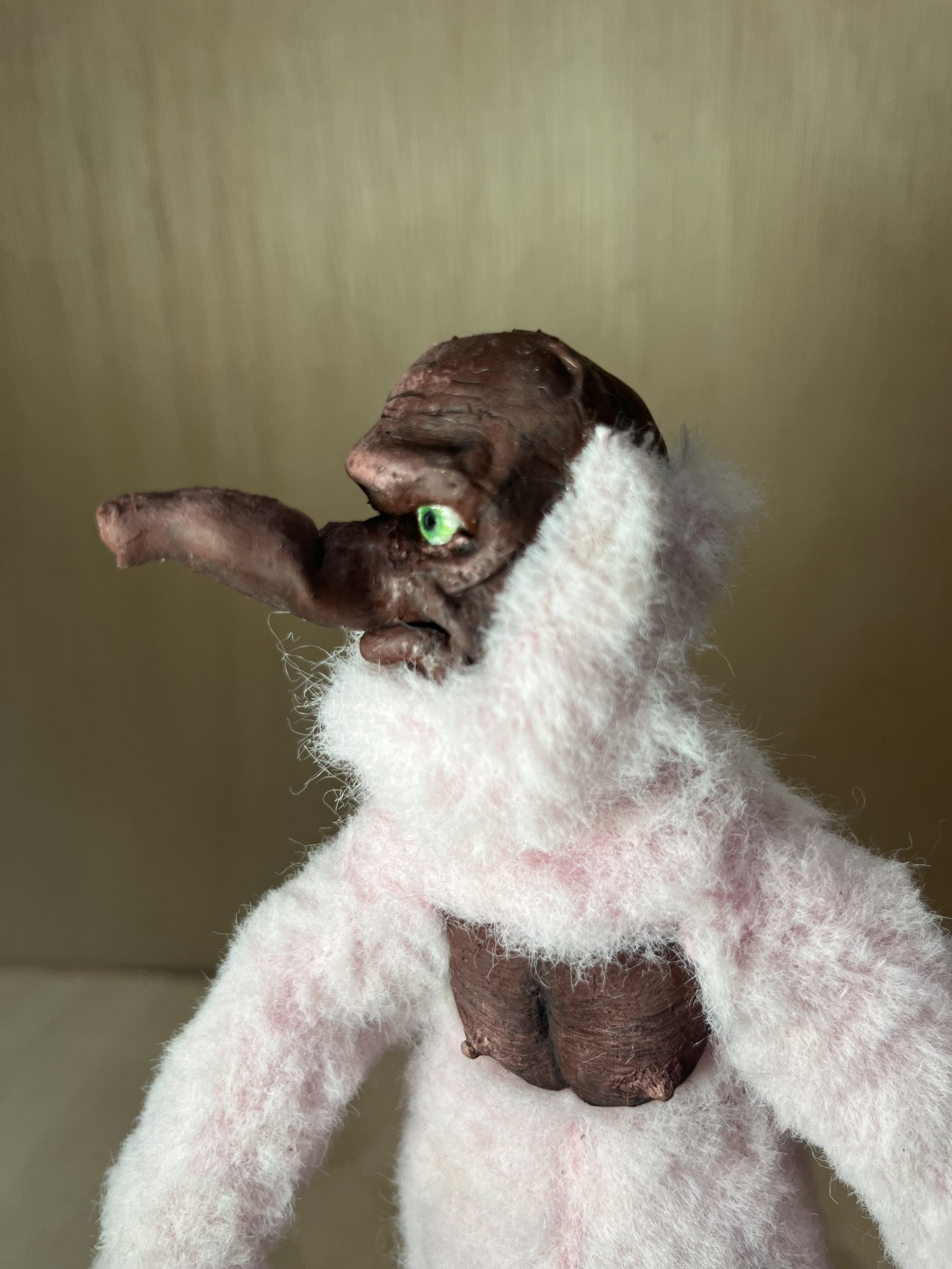
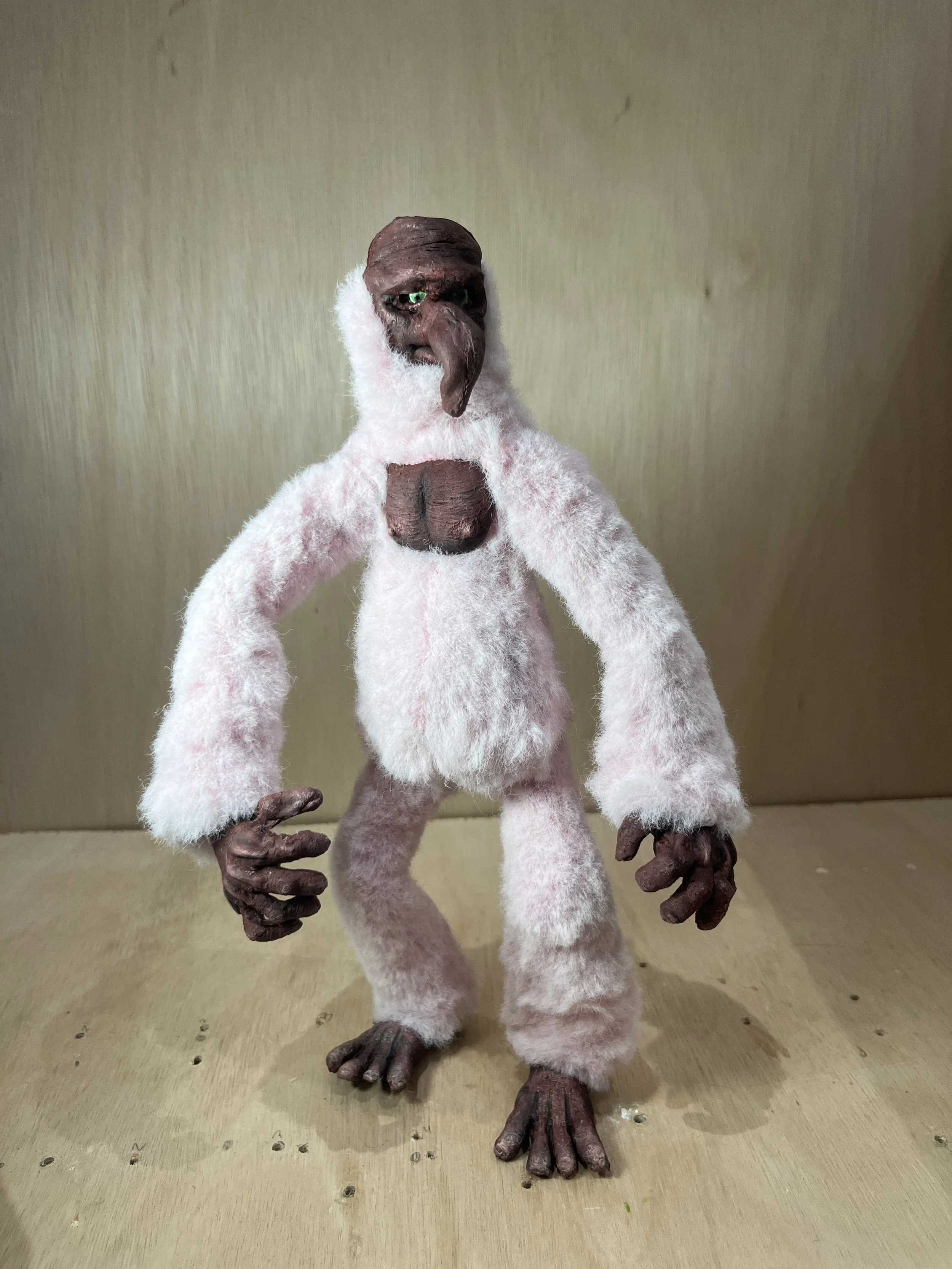
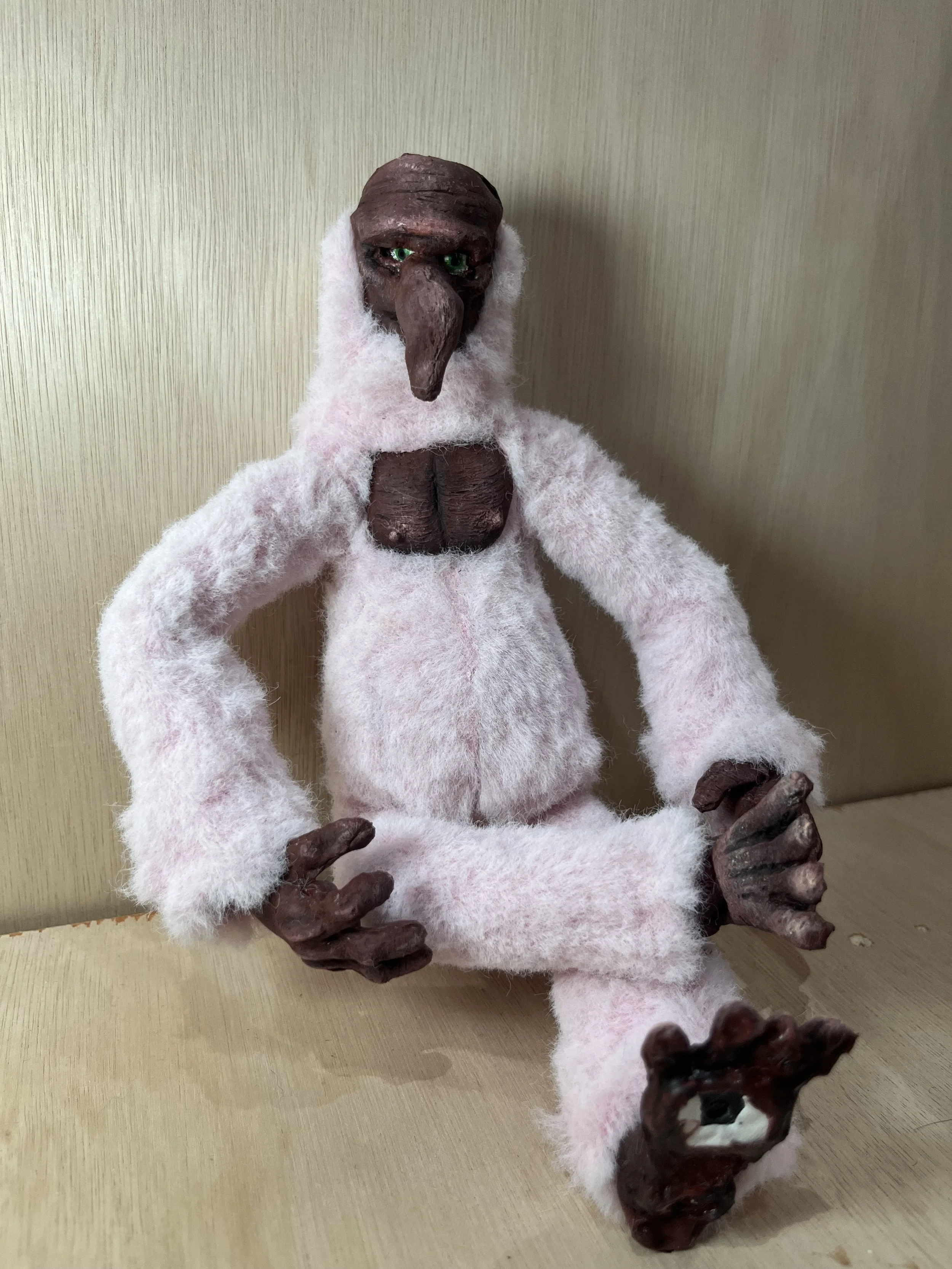
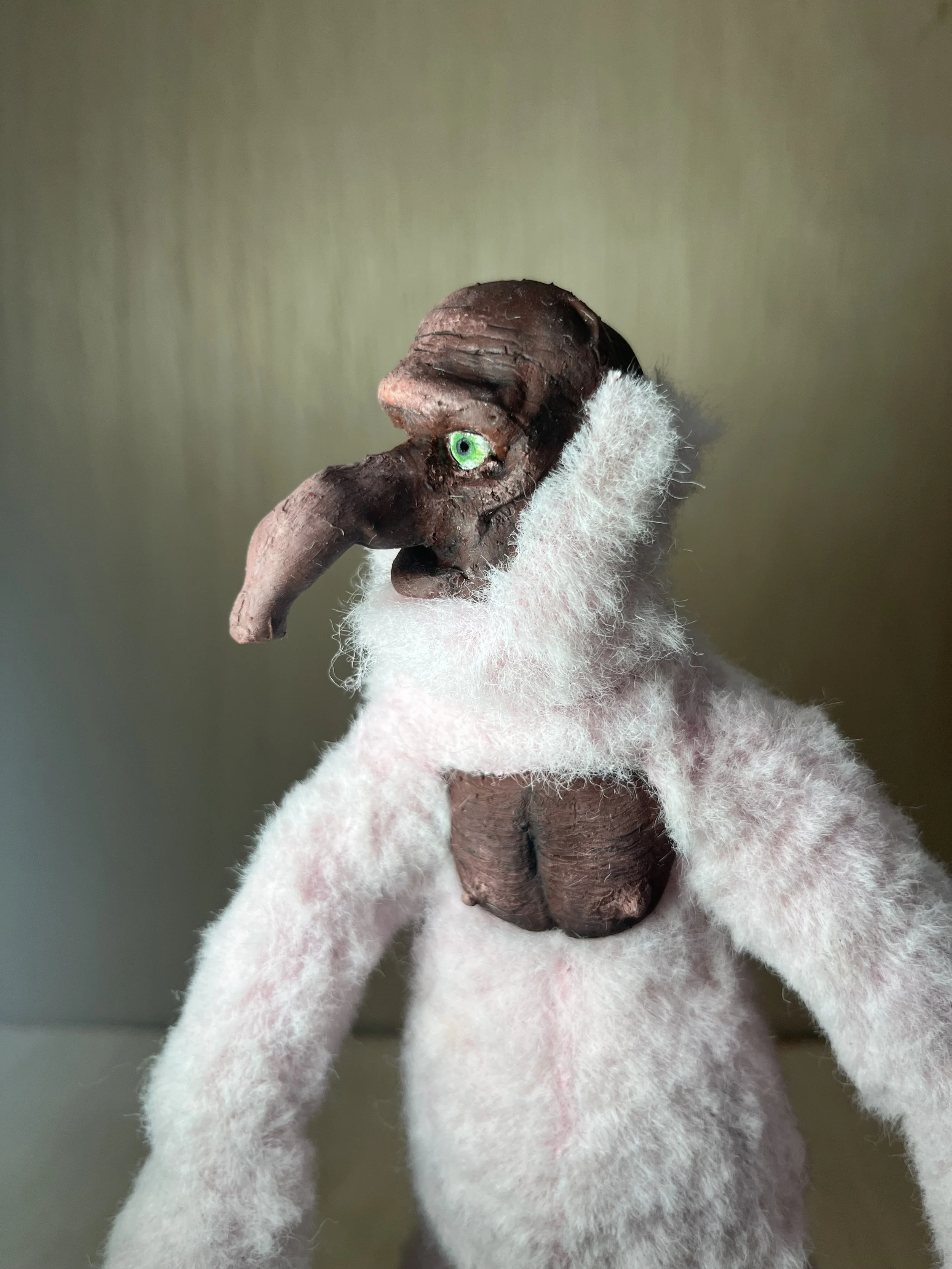
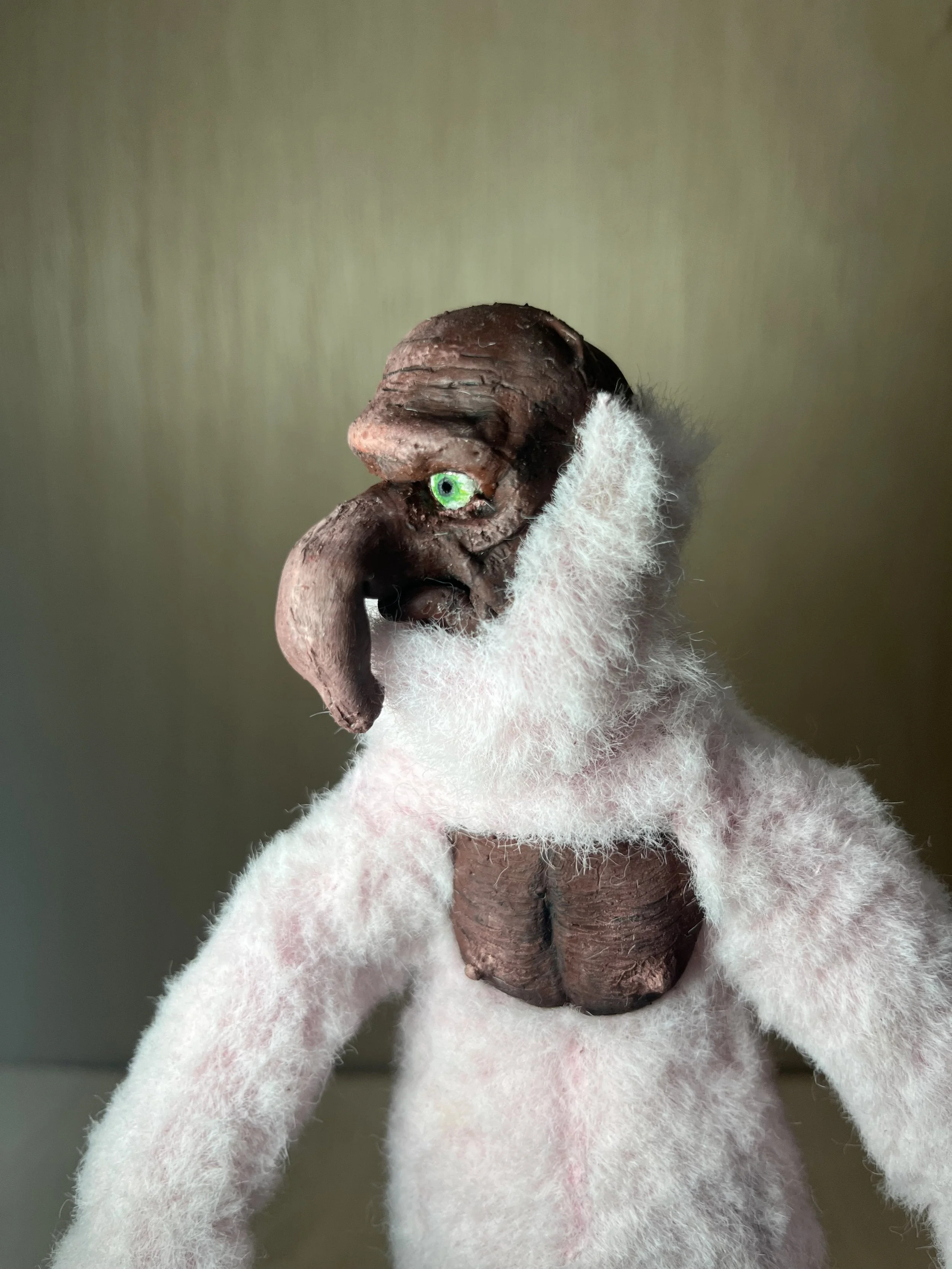
Yeti is a stop motion puppet, made using moulded latex skins and a fabric covering. His trunk, mouth, eyes and brow can be animated.
He was my first full stop motion puppet, and I learnt a lot through the process. The most important of those being not to add too much material around the joints of the puppet. In the Yeti’s case, the combination of thick foam and fur restricts the movement of the armature making animation very difficult, and causes the wire to break quickly.
Test Animations
The Process
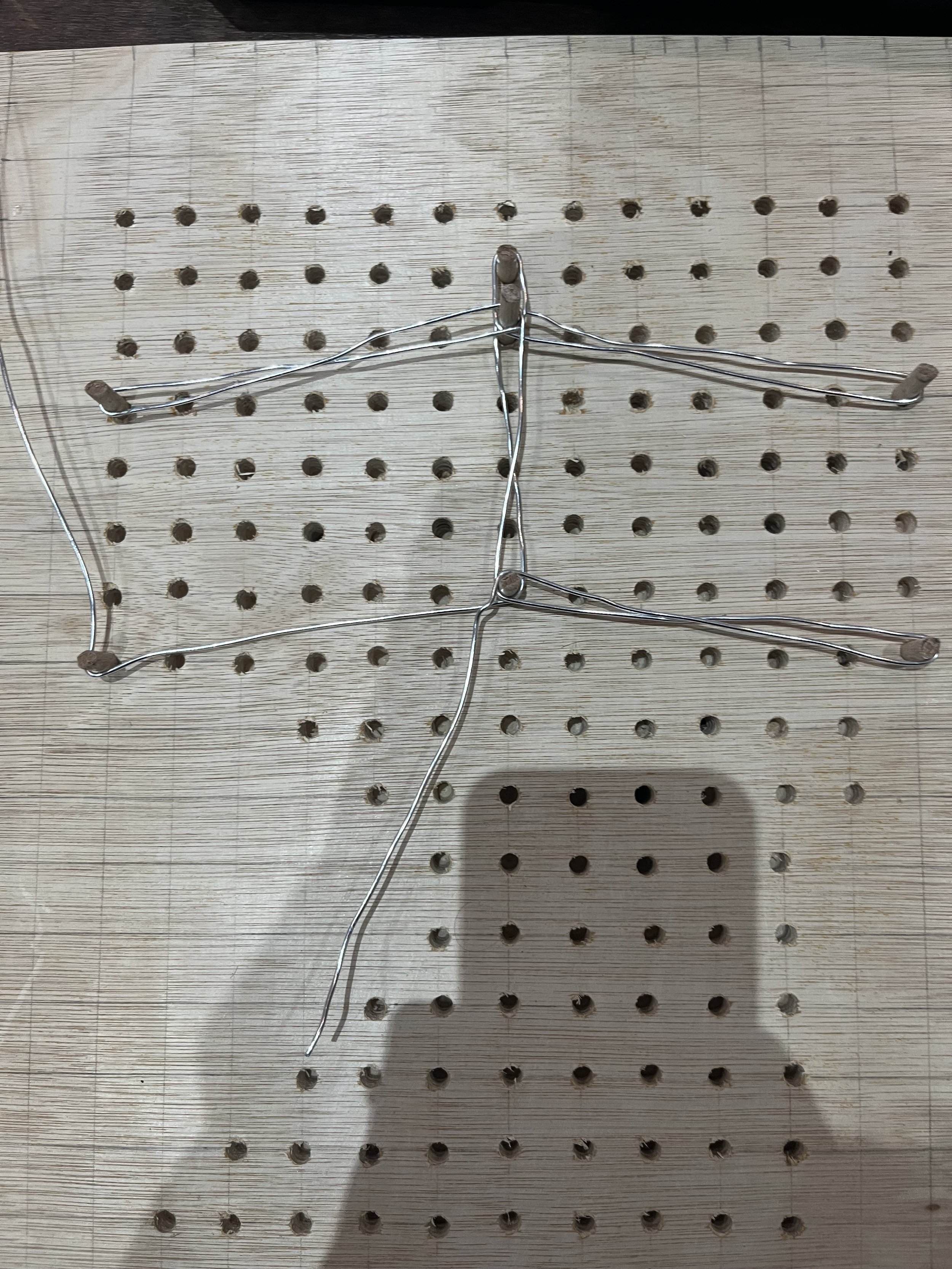
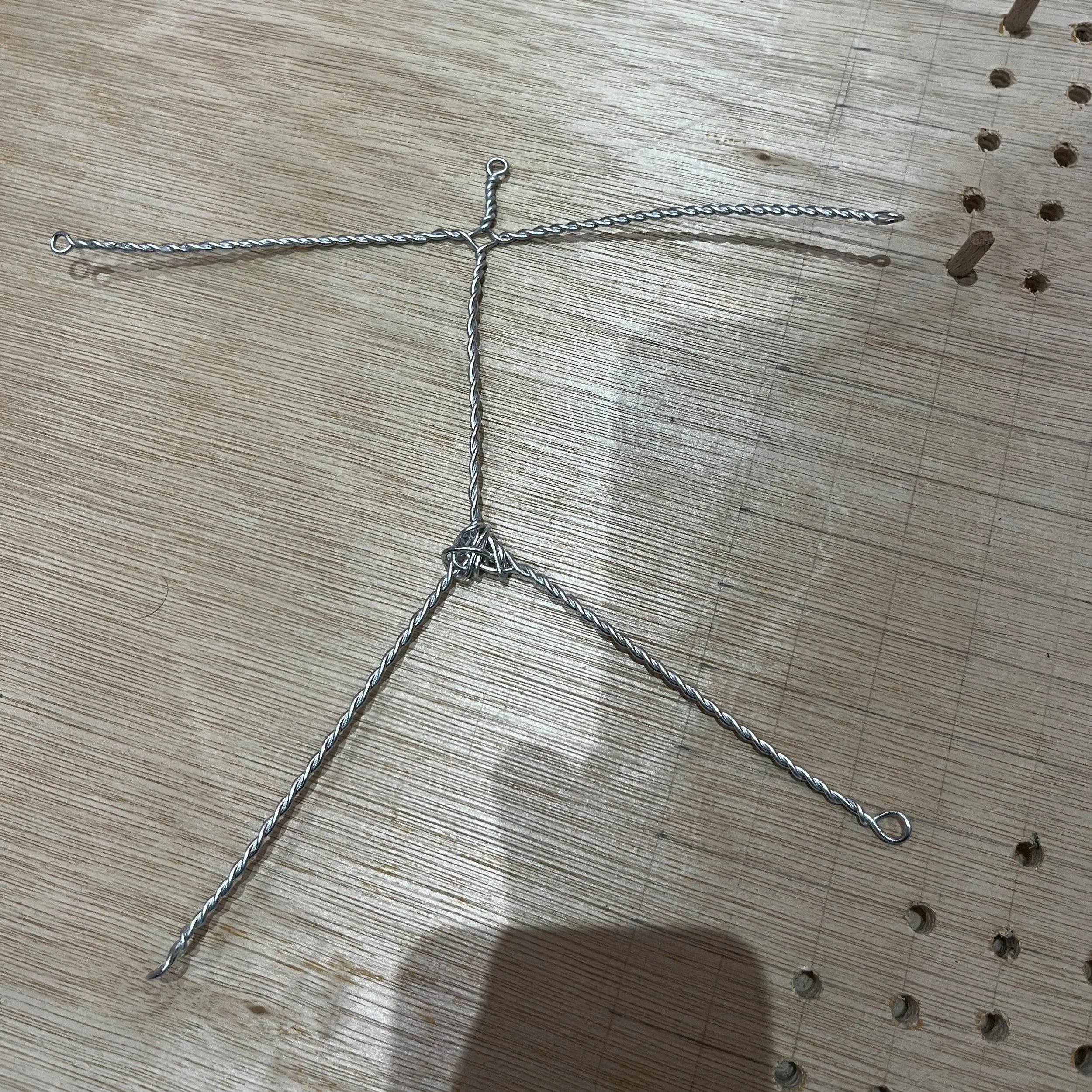
The body armature was made using twisted aluminium wire. The process of measuring out and twisting the wire is made easier with a peg board.
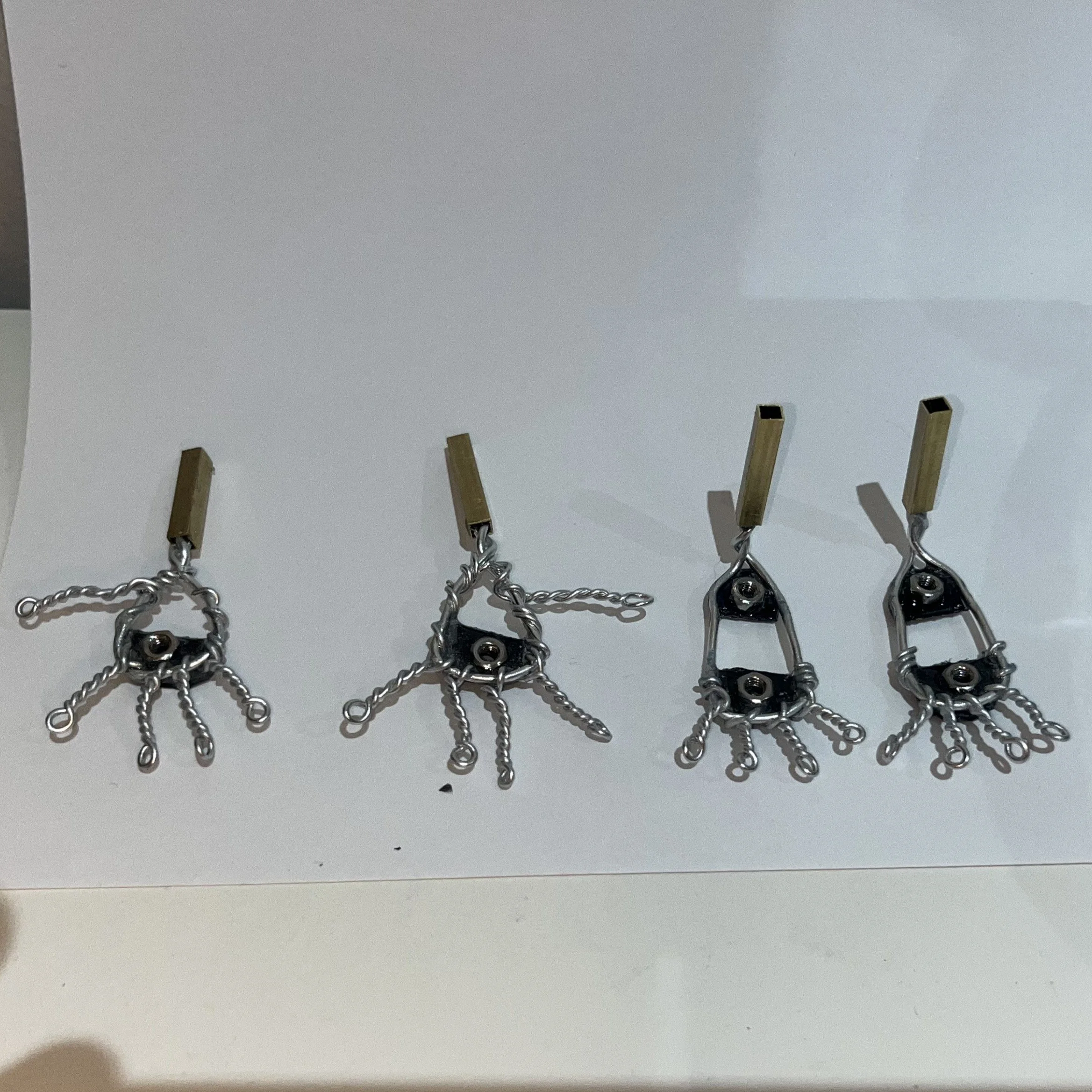
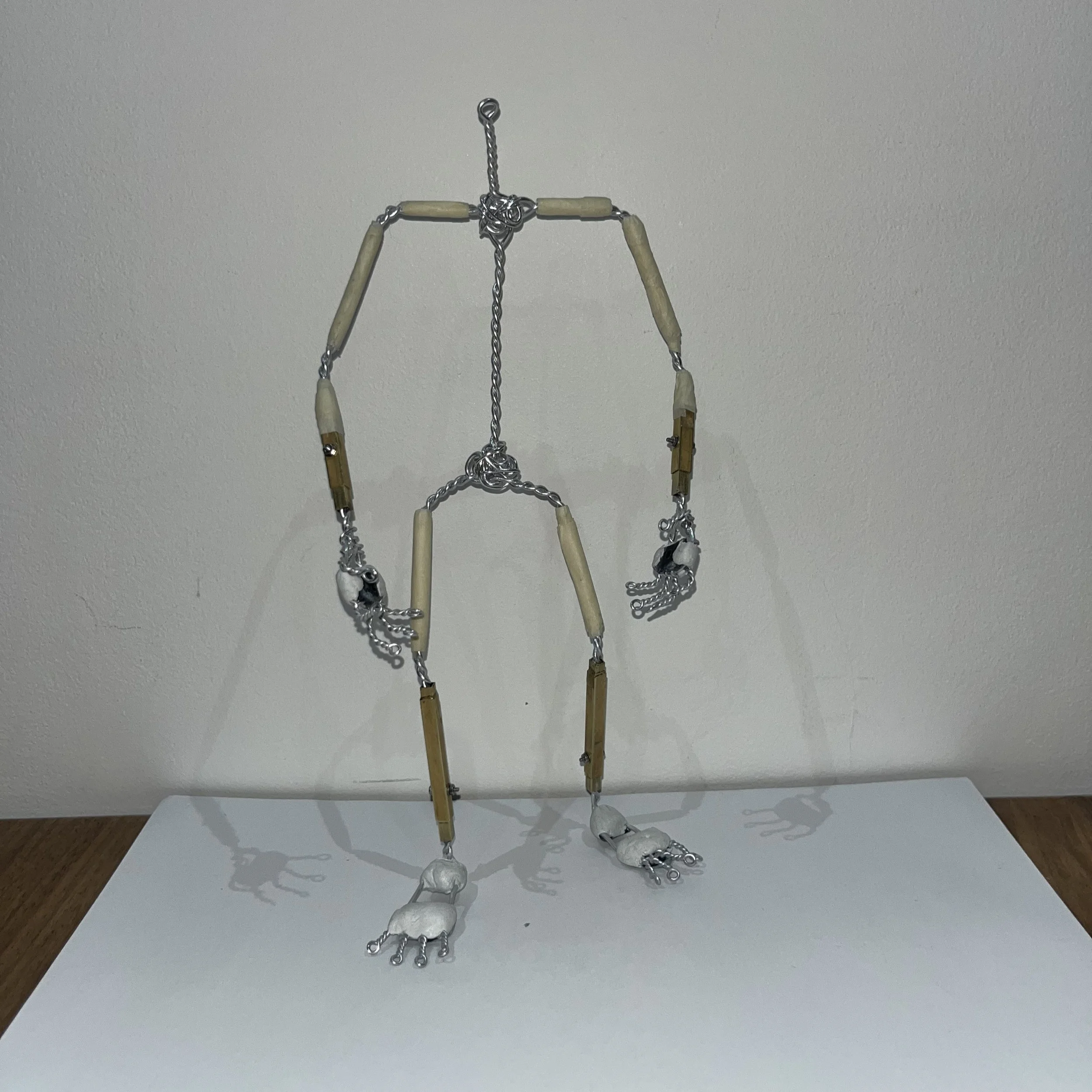
Hand and feet armatures were also made, including brass K+S tube to connect to the body. Tie down nuts were added to allow the puppet to be secured during animation. Masking tape was added to the limbs to prevent movement away from the joints.
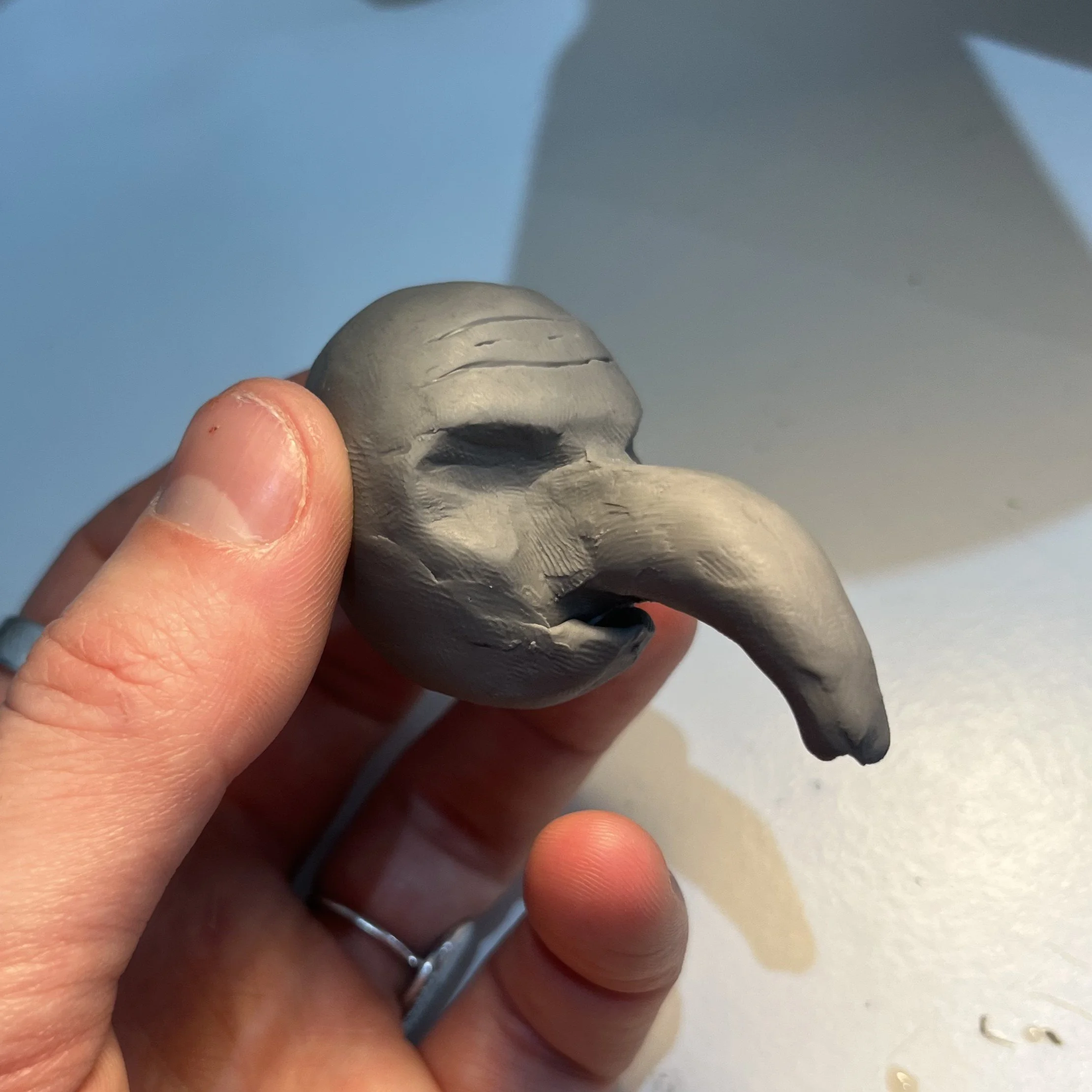
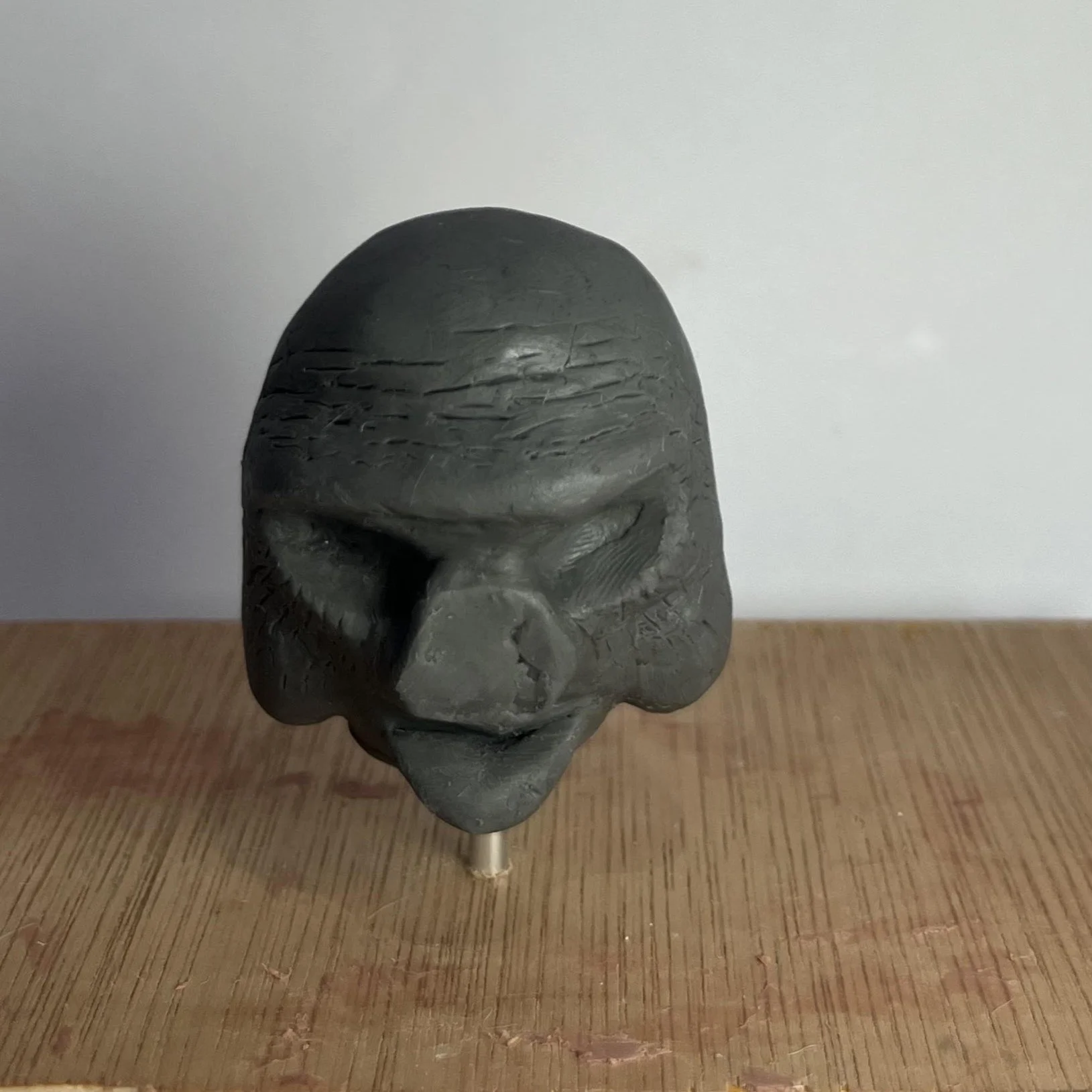
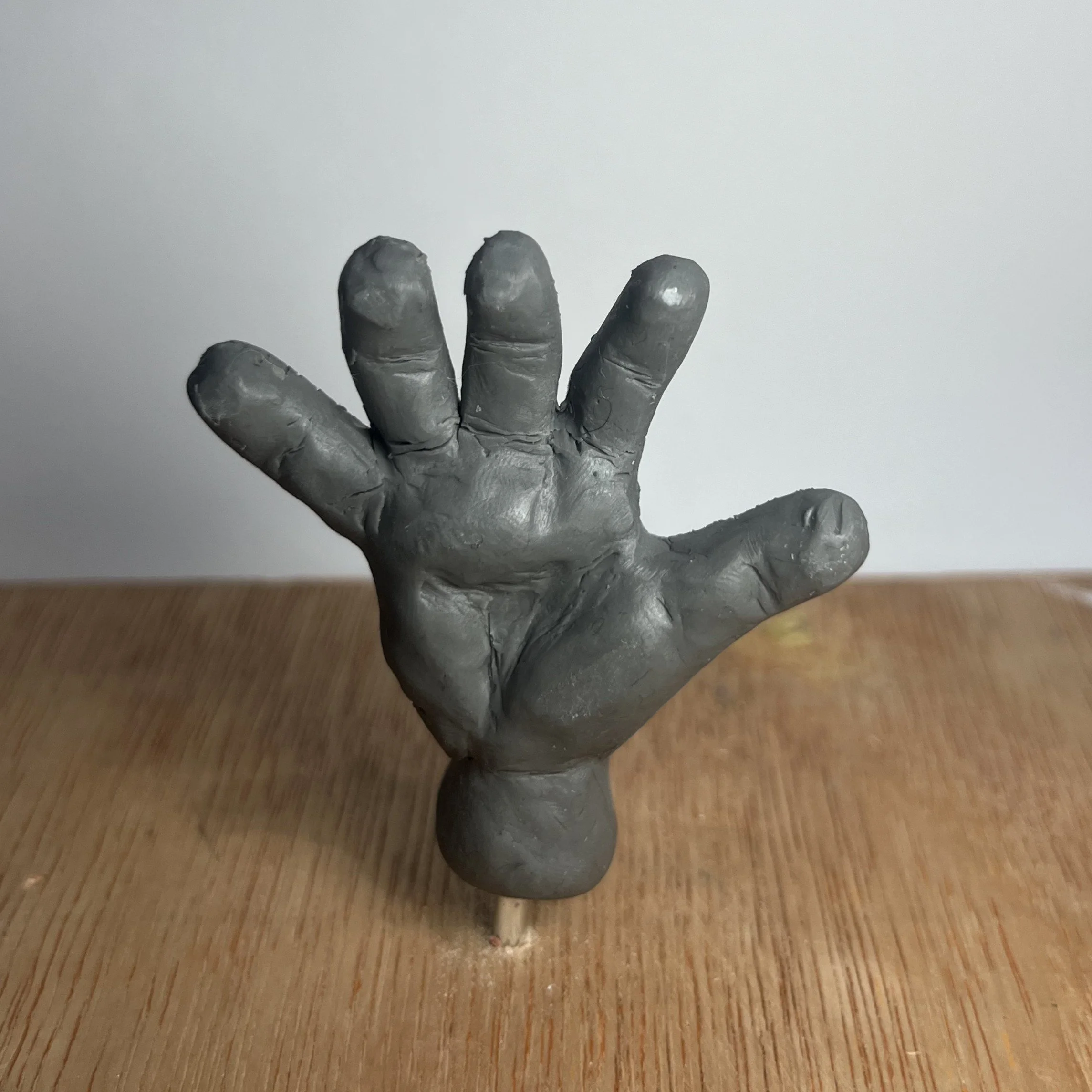
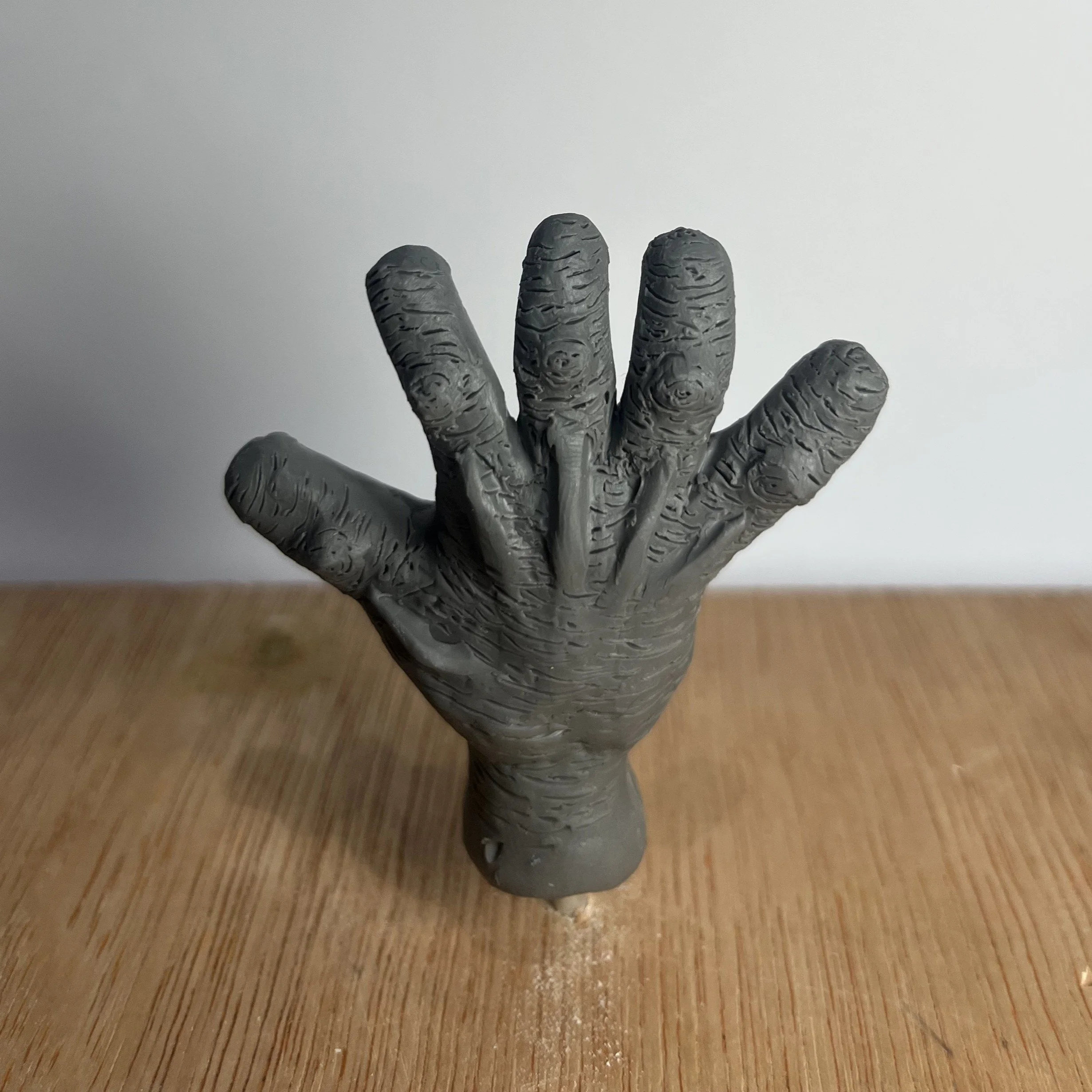
The parts of the puppet with latex skins were first sculpted in oil based clay, with the trunk and head being separated to allow for moulding.
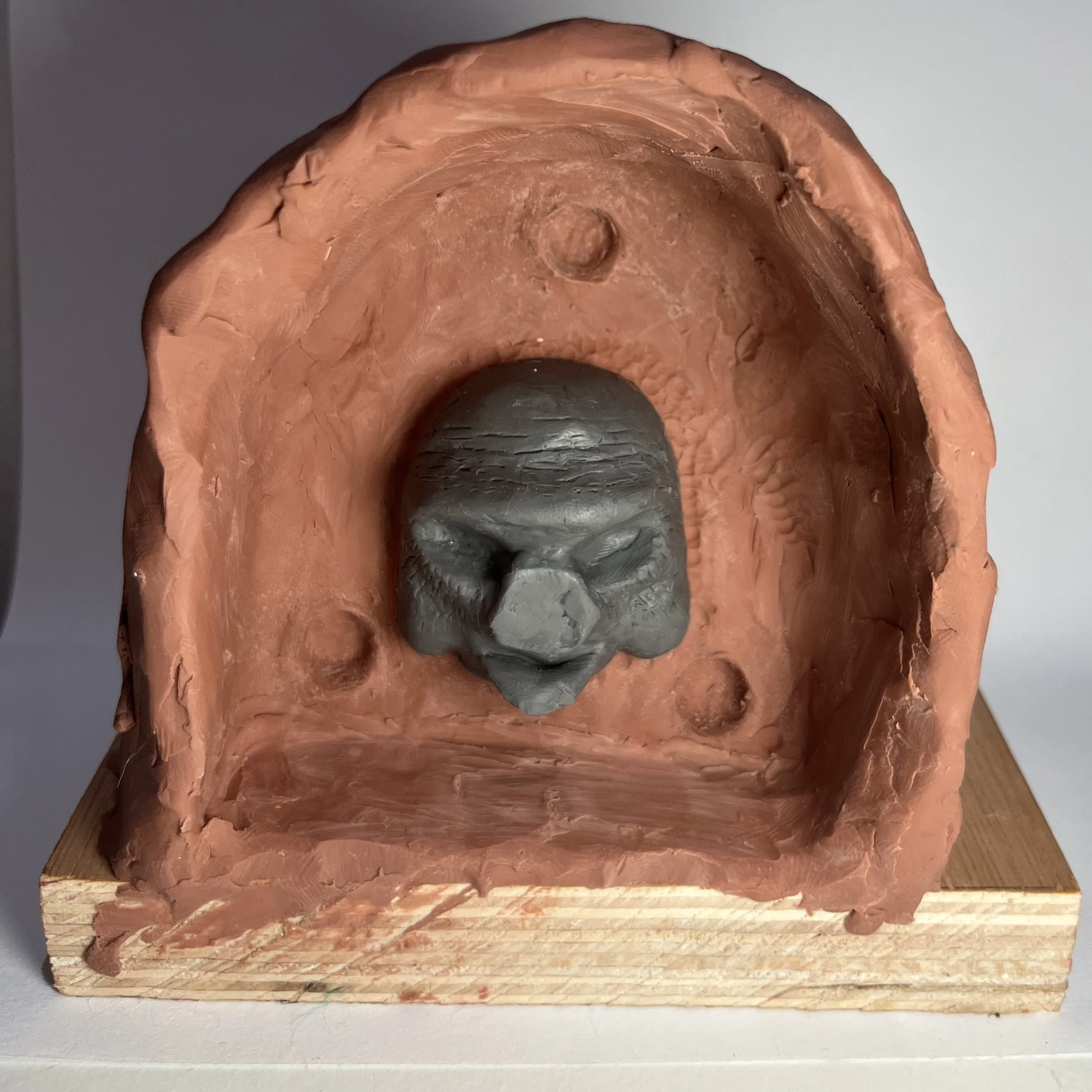
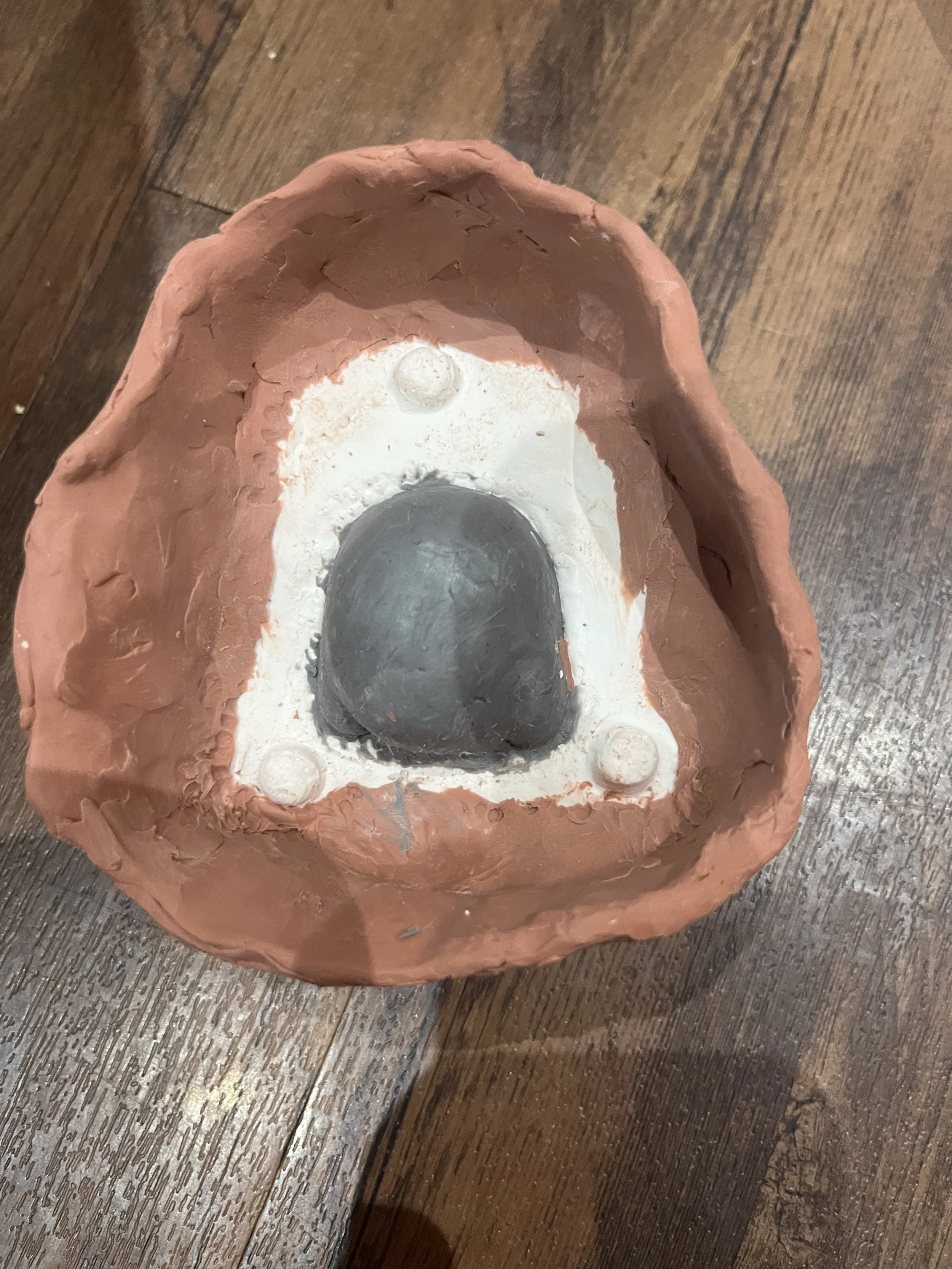
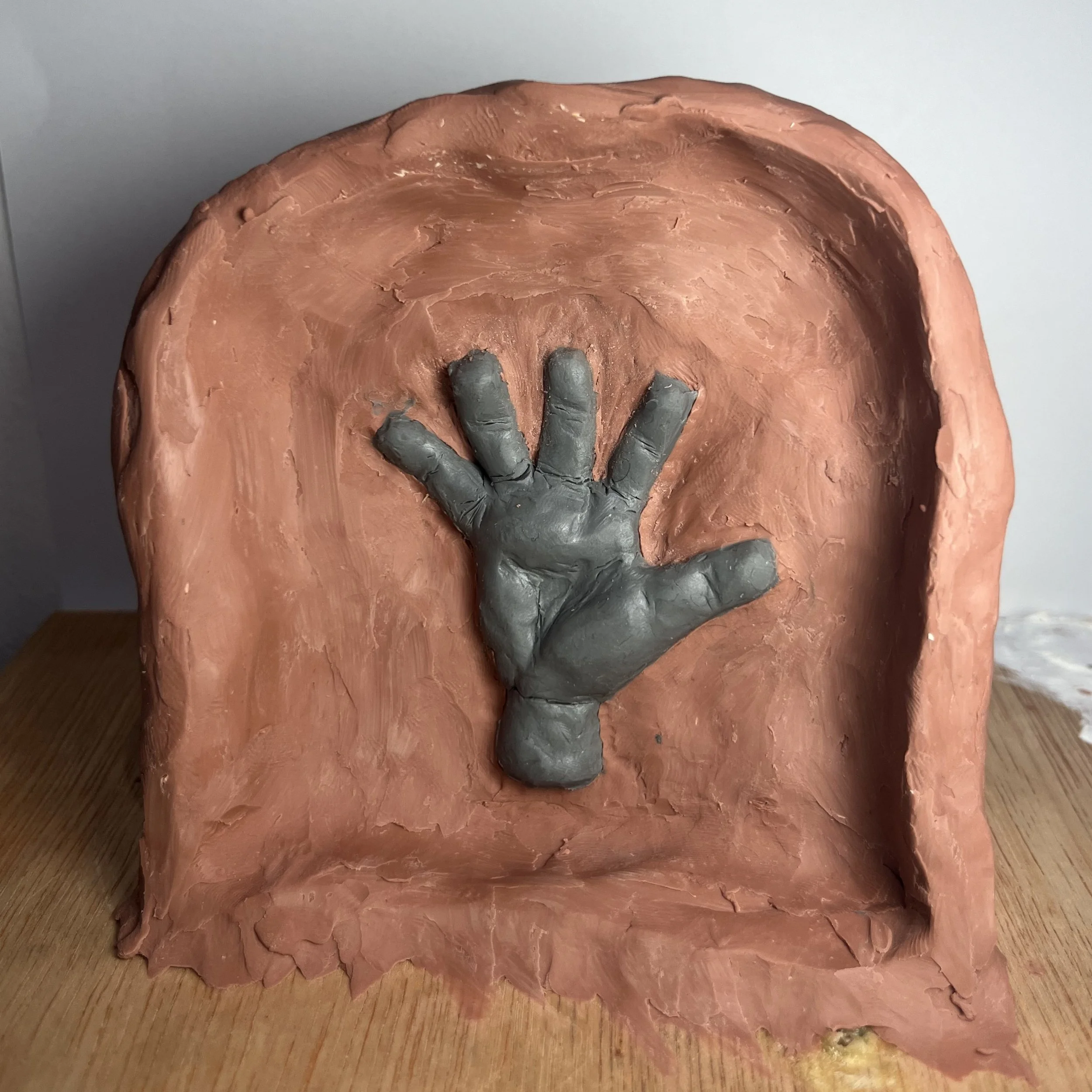
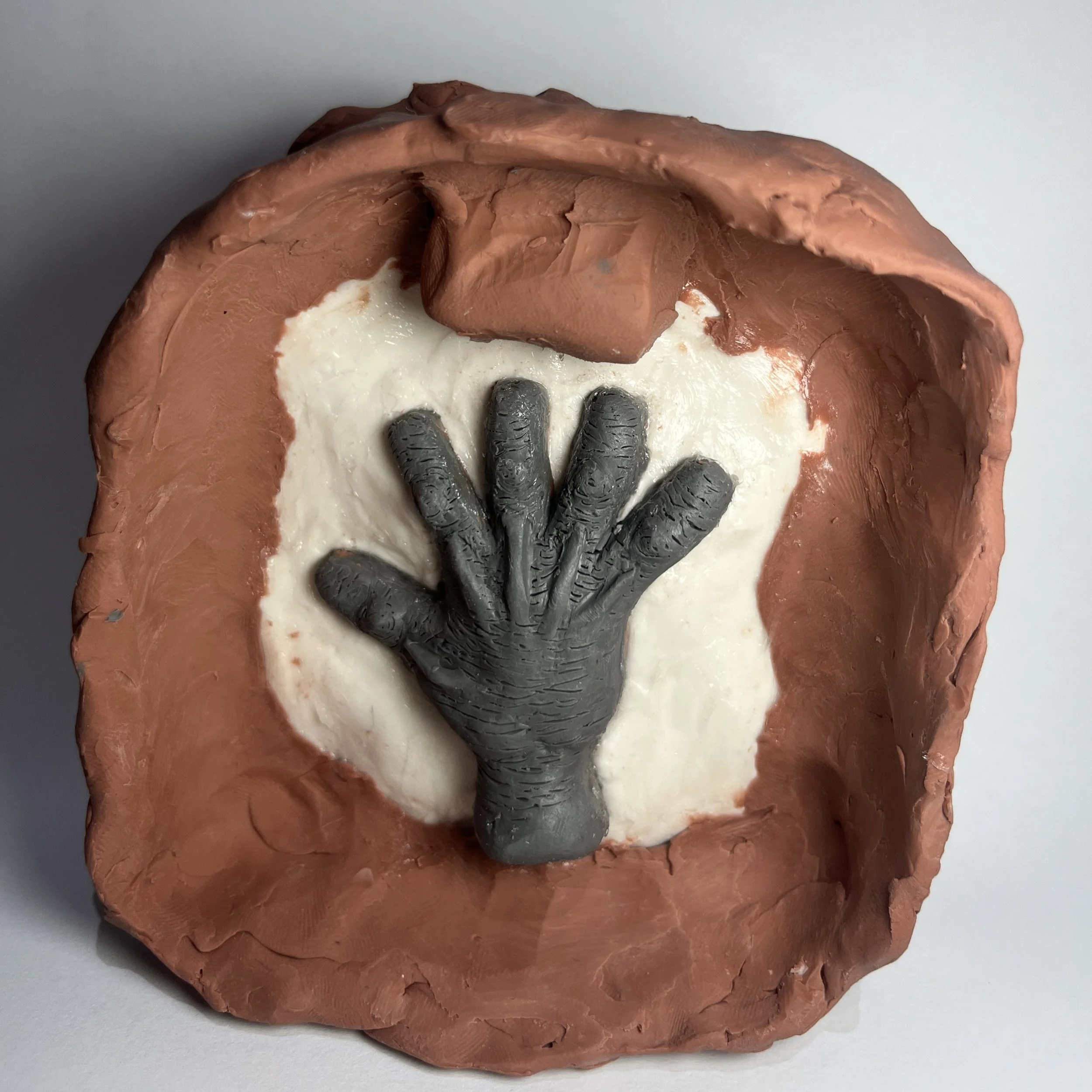
Plaster two-part moulds were made from the clay sculpts.
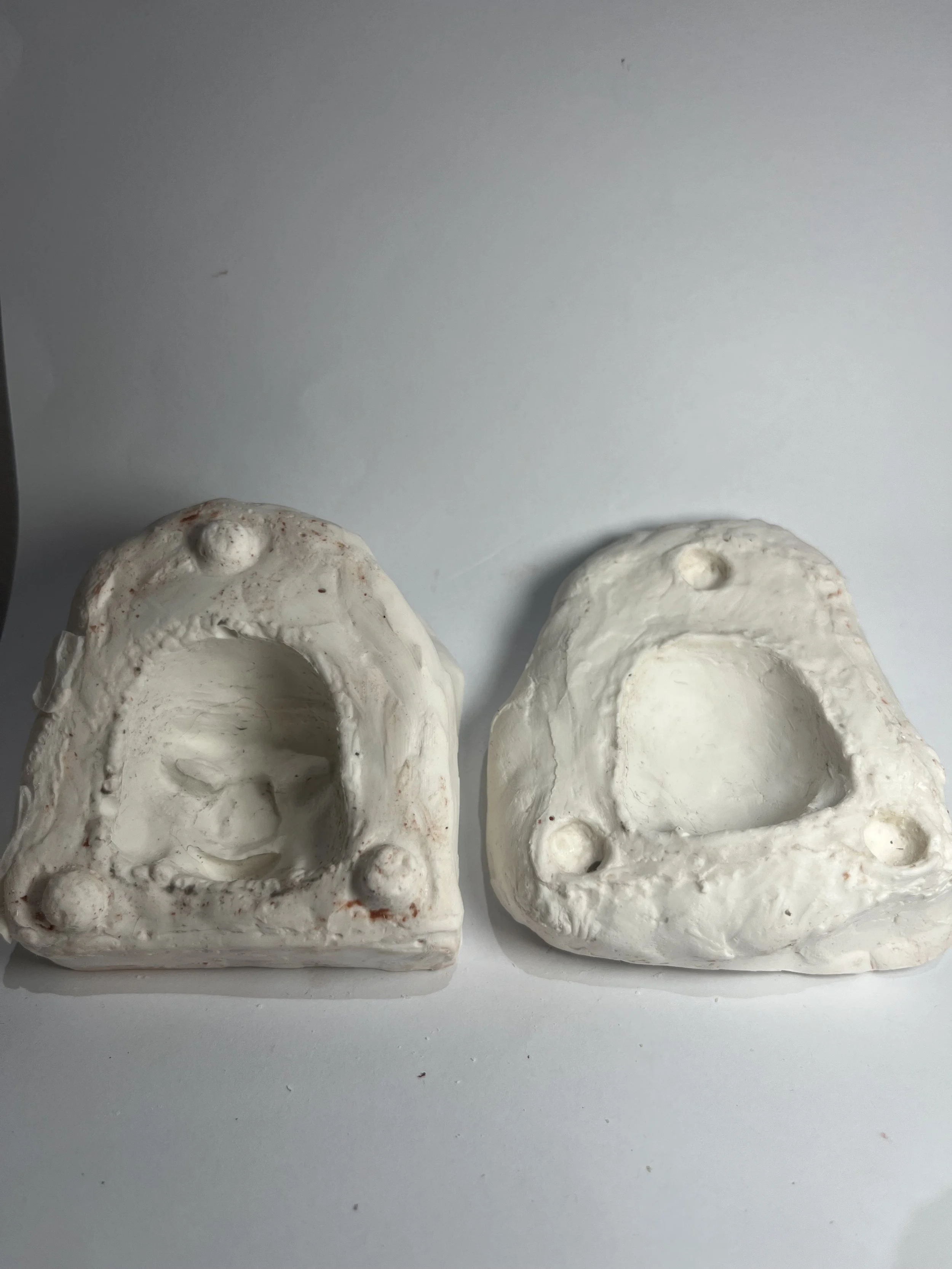
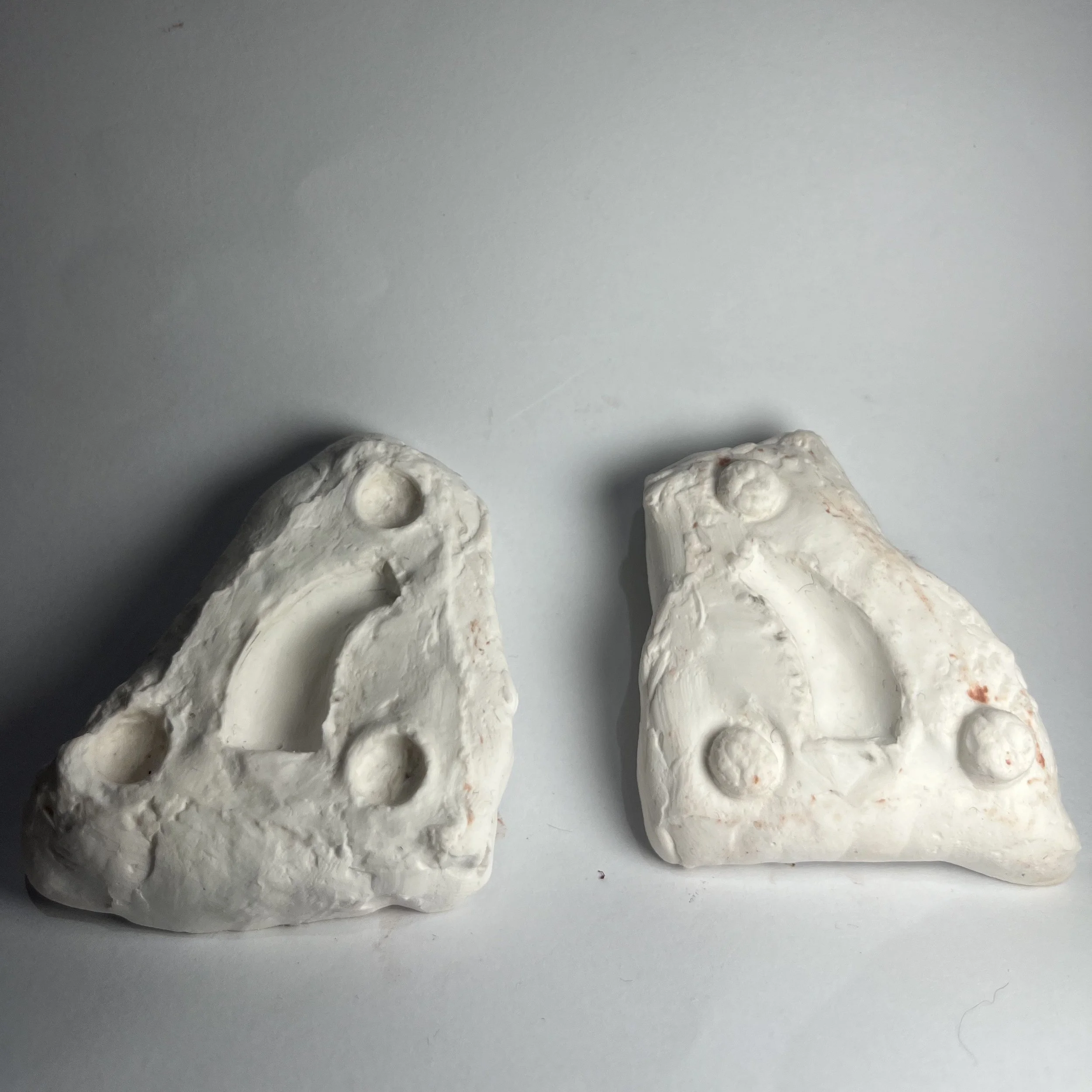
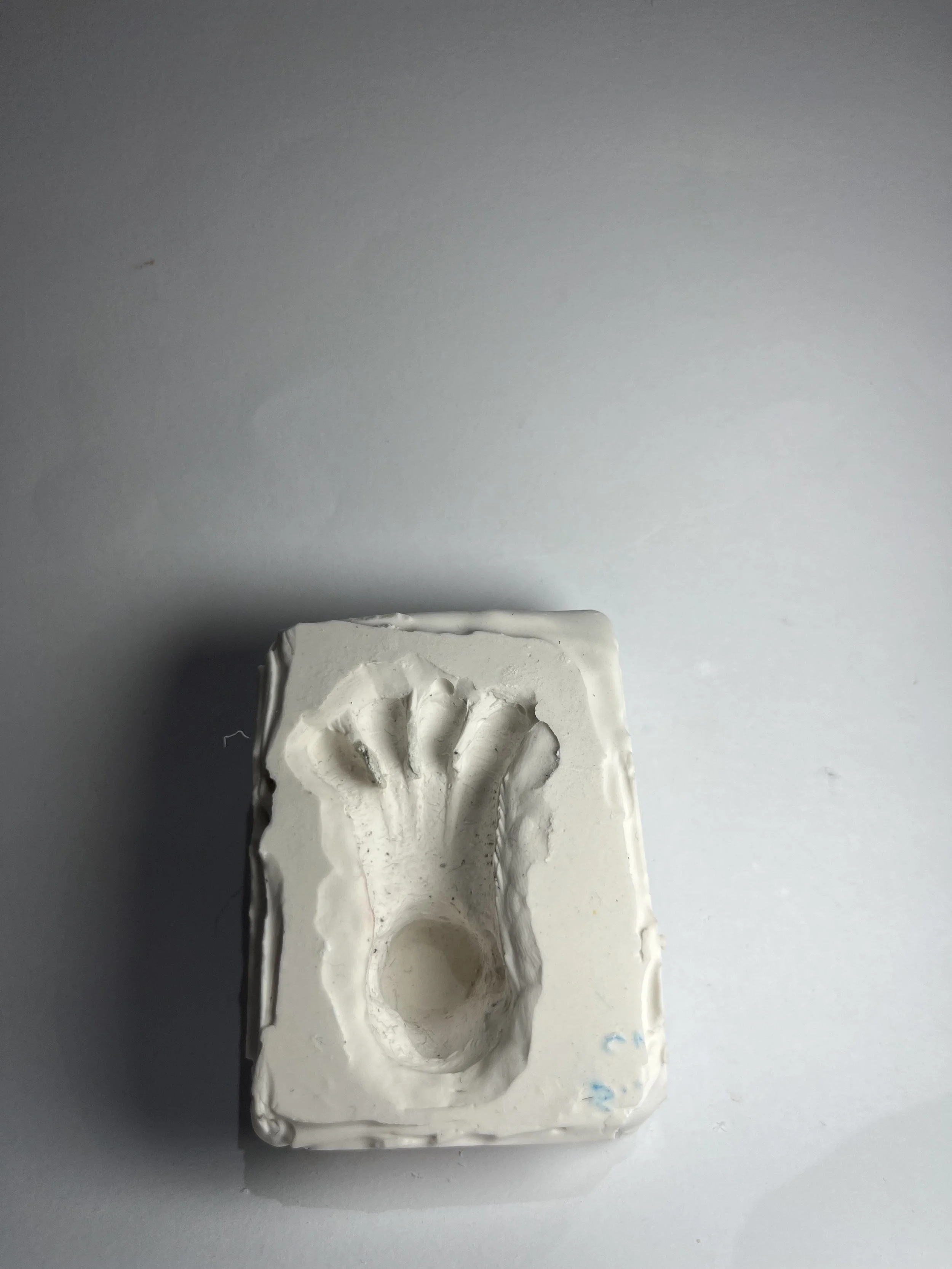
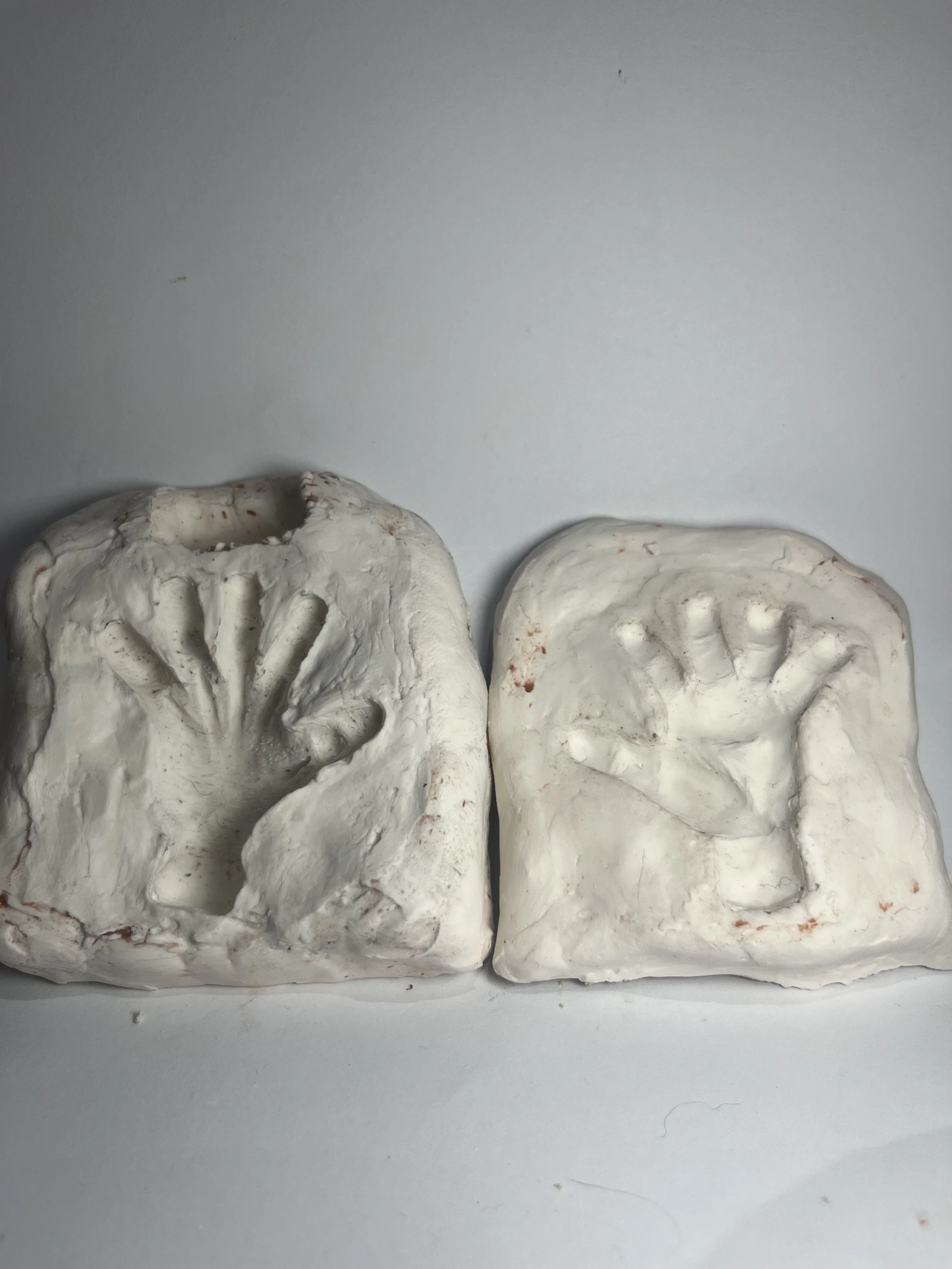
Plaster moulds for the head, trunk, hands, and feet.
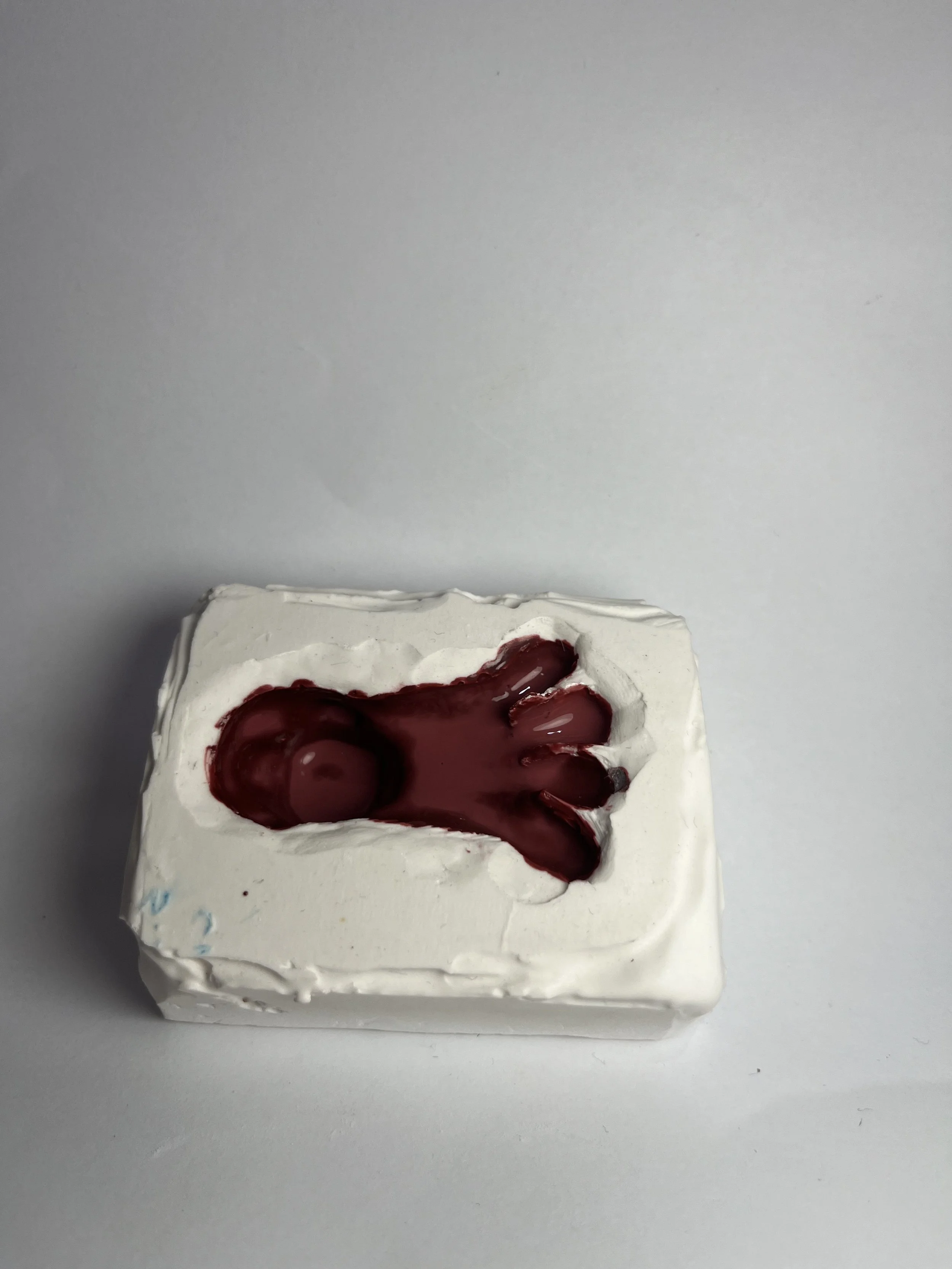
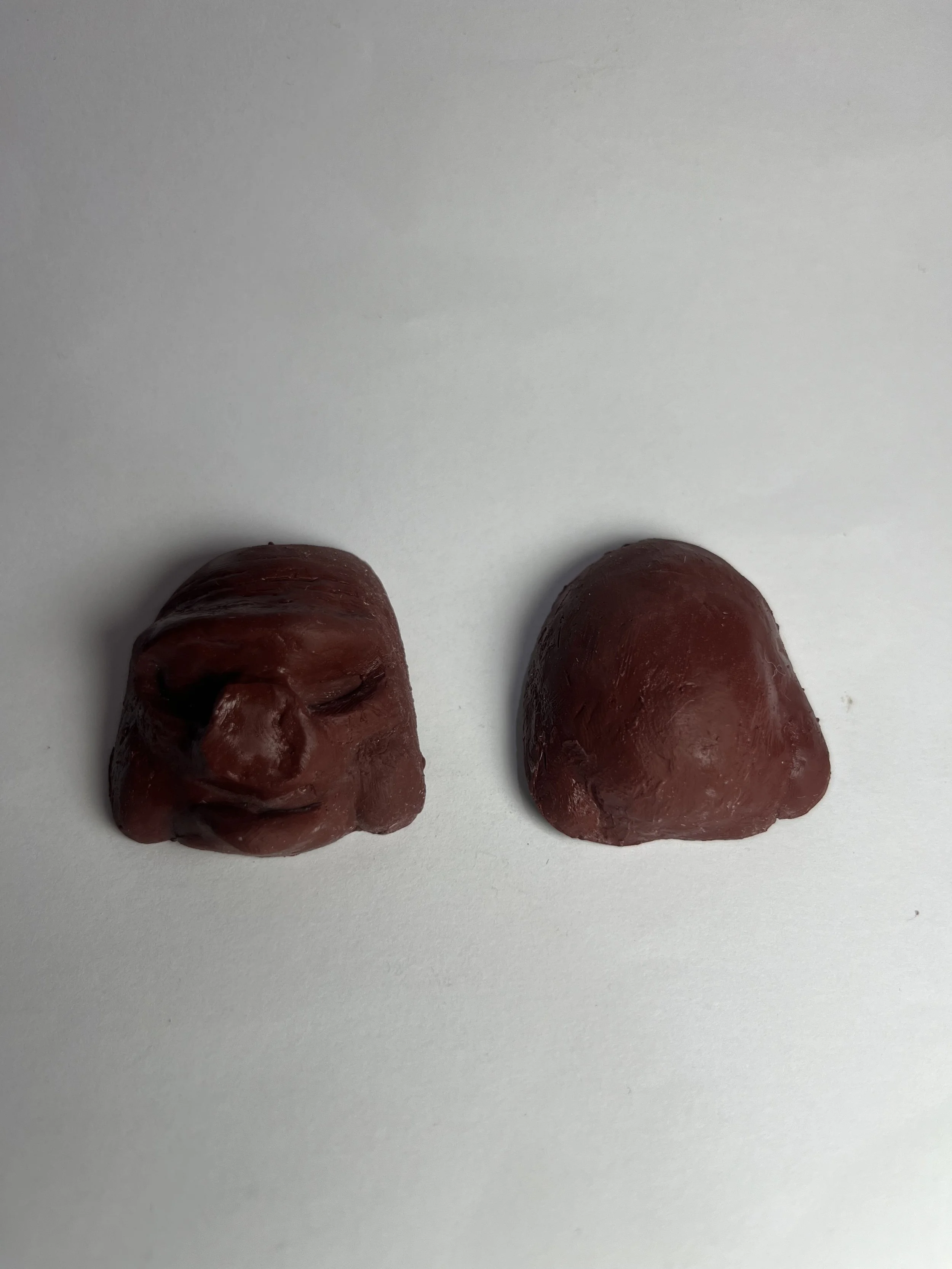
Several layers of tinted latex were painted into the moulds to form the skins.
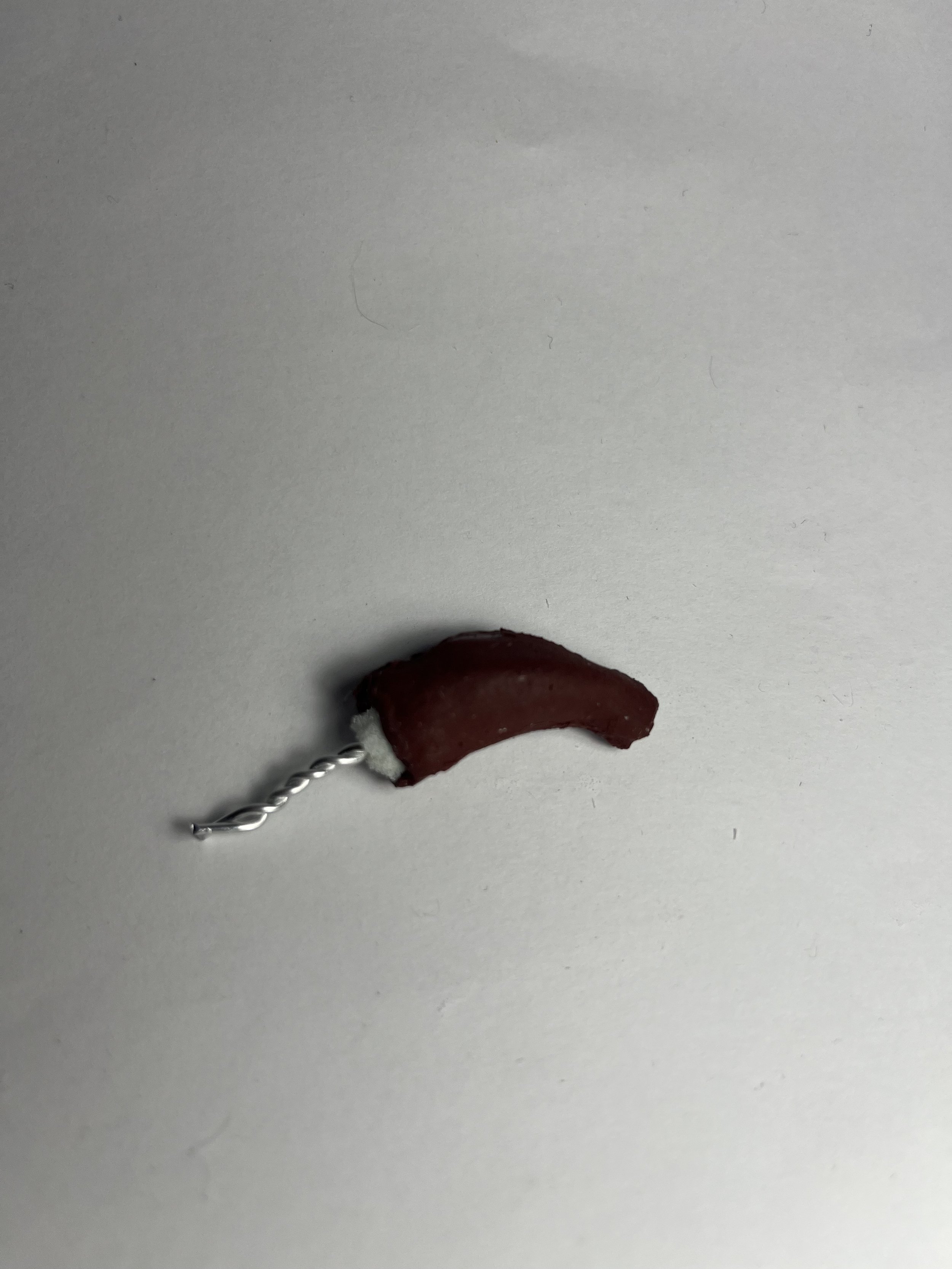
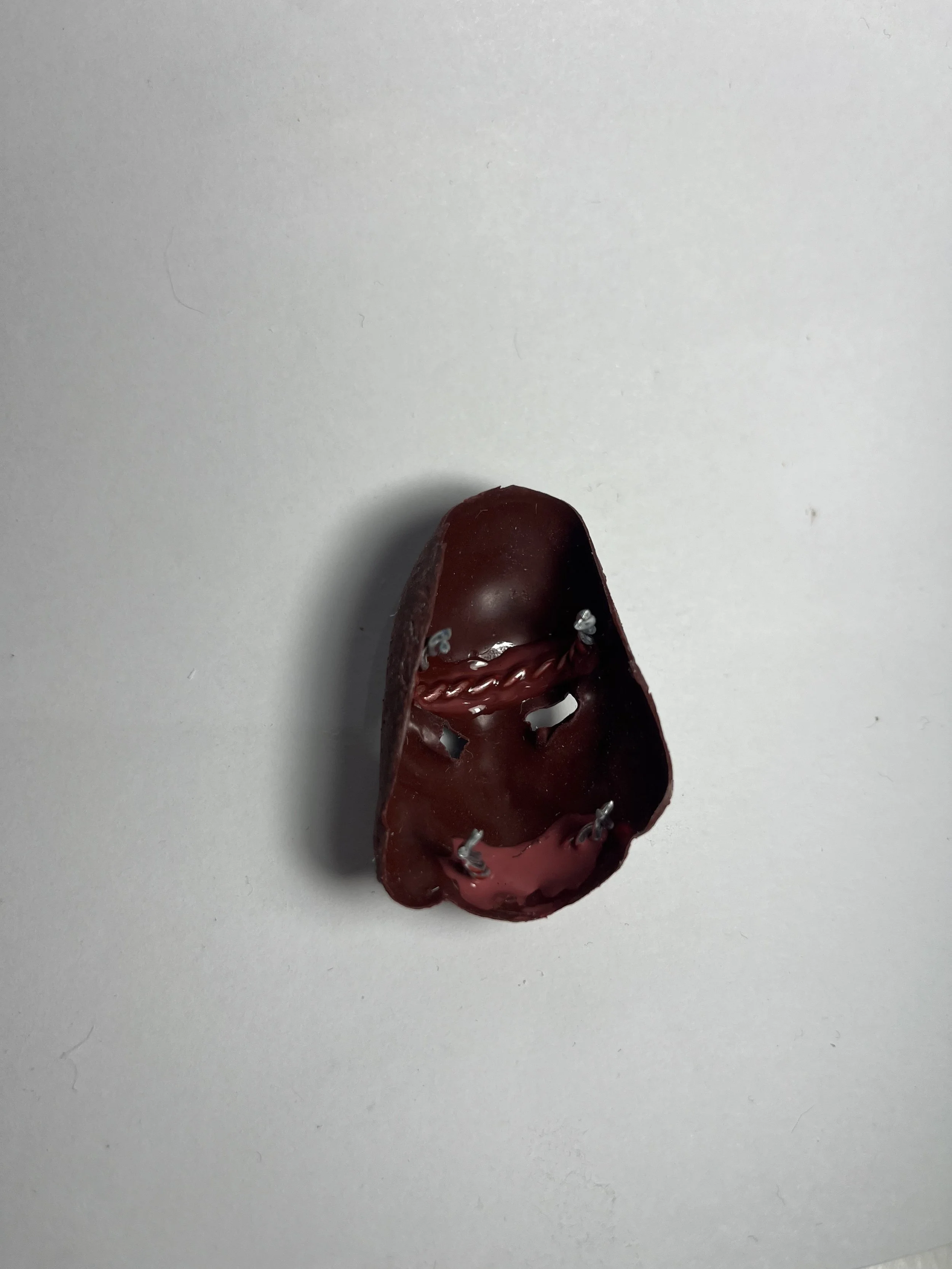
Aluminium wire was added to parts of the head such as the mouth and trunk to allow for animation.
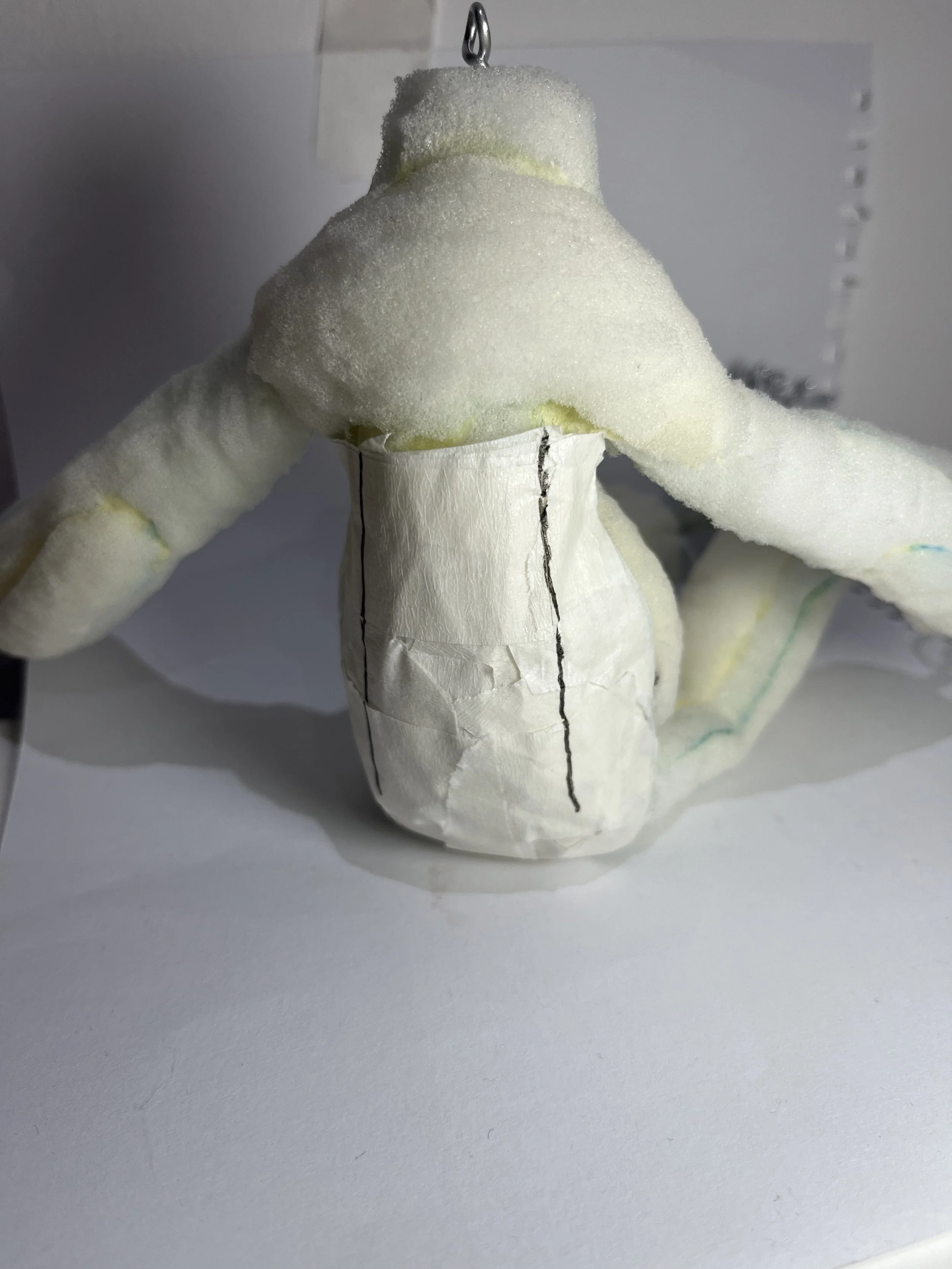
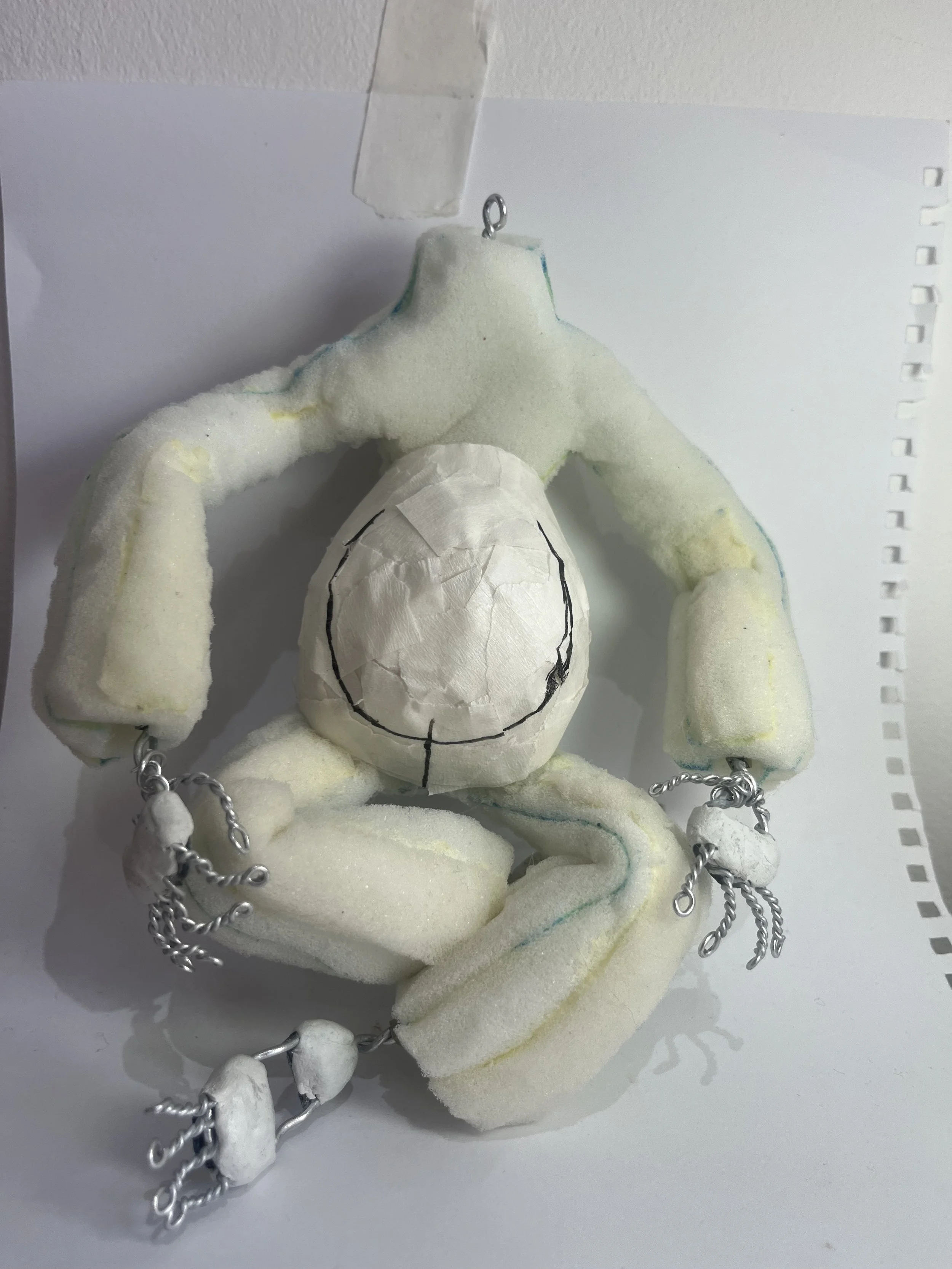
Foam was built up around the wire armature to create the shape of the body. Patterns of different body parts were then made by sticking masking tape over the forms.
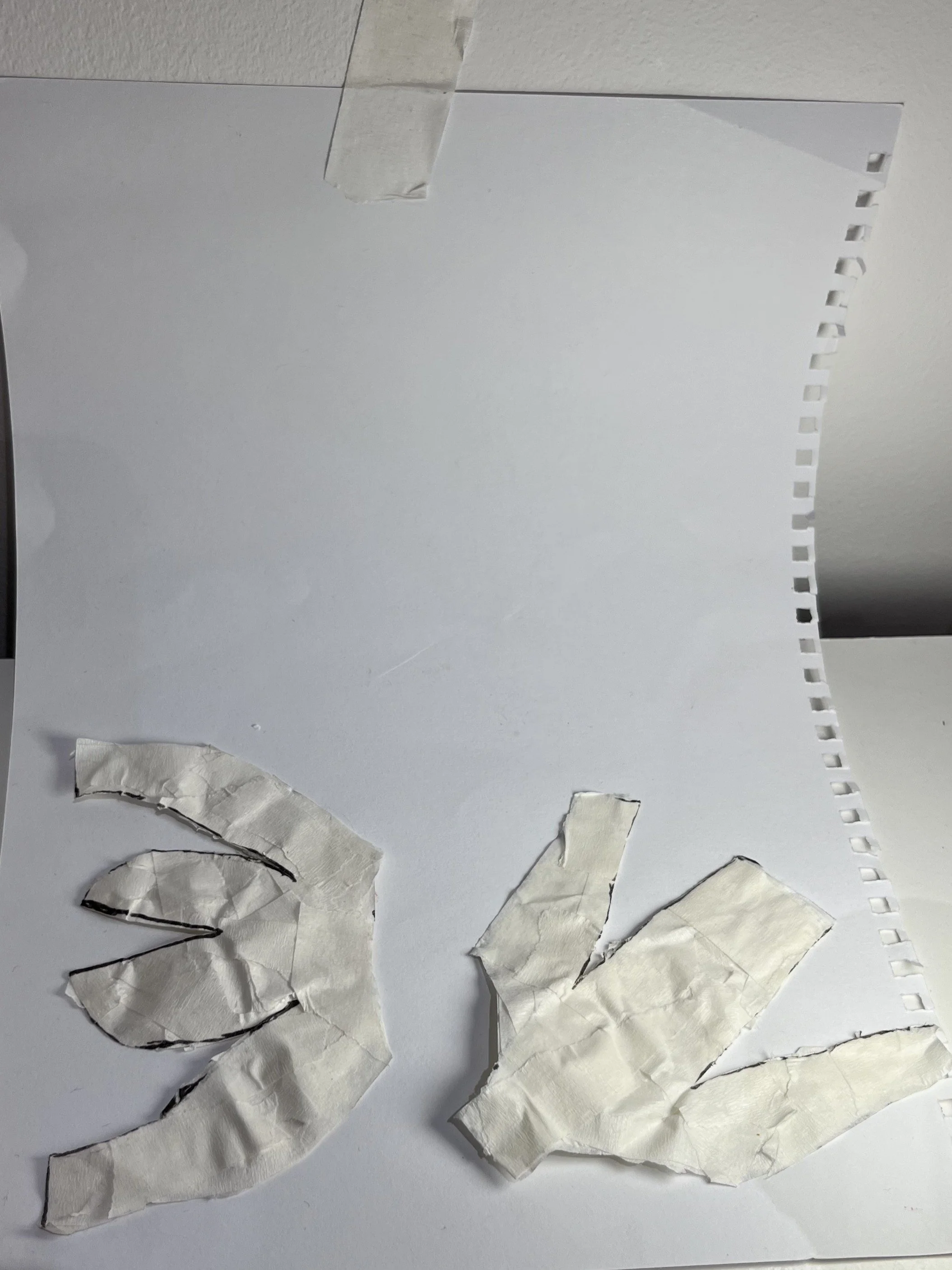
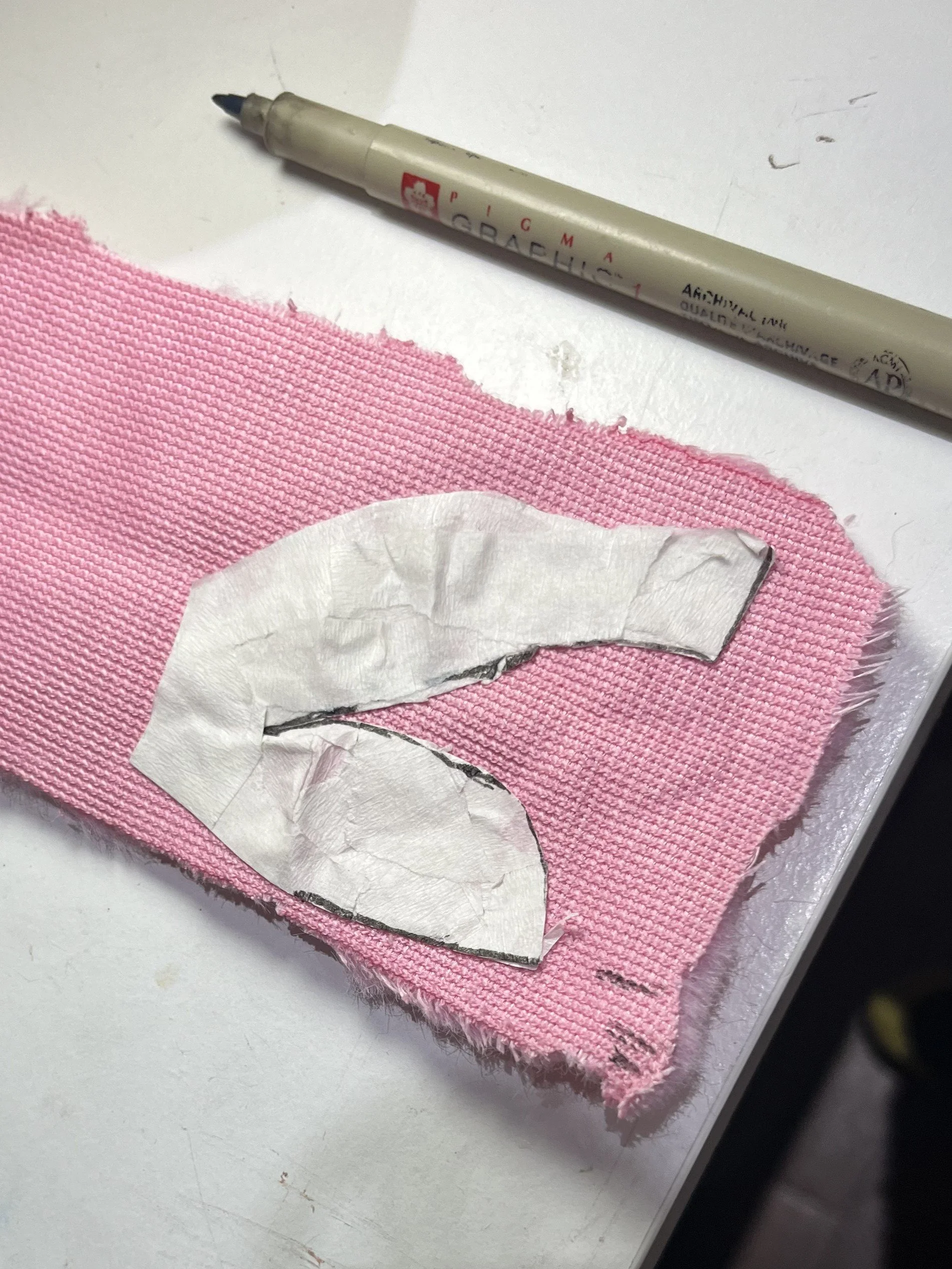
The patterns were cut off the body, using darts to ensure they could be laid flat. The patterns were then used to cut the correct shapes from the fur.
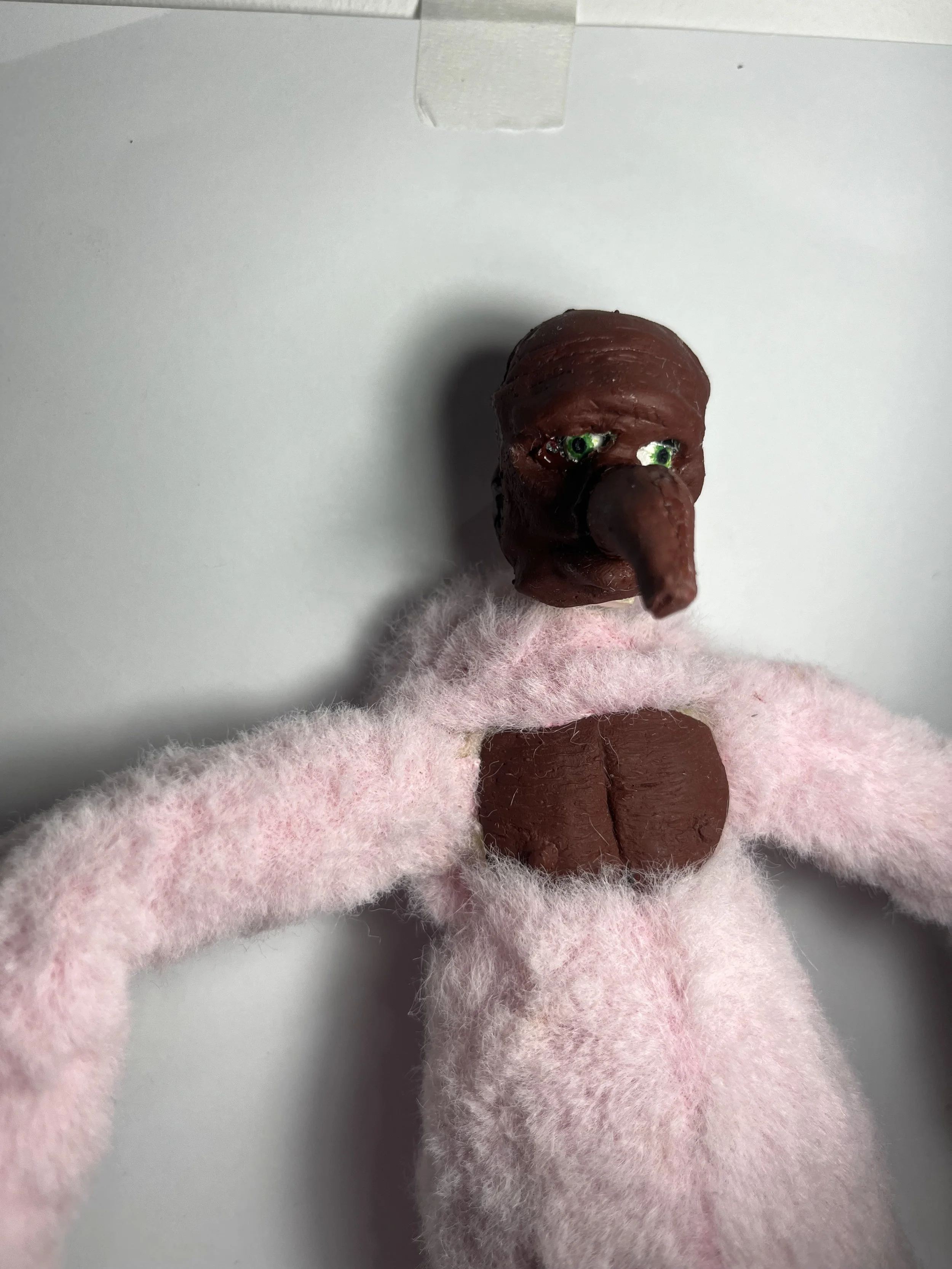
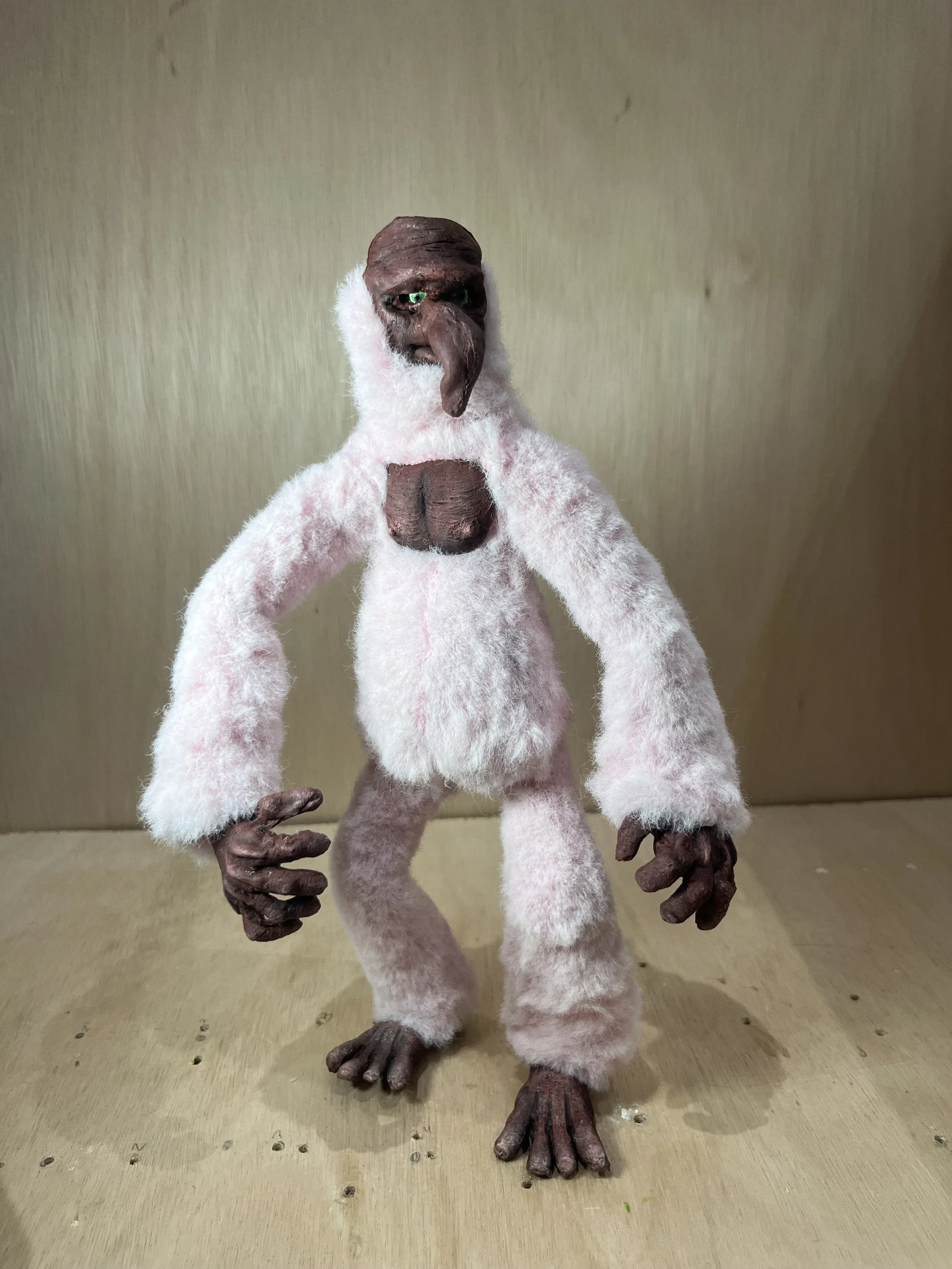
Finally, the latex skins were painted and stuck to the puppet body alongside the fur - completing the Yeti!